How to Keep Dogs Entertained While Home Alone
Keep your dog happy while you're away with BULLYMAKE dog toys and entertainment ideas!
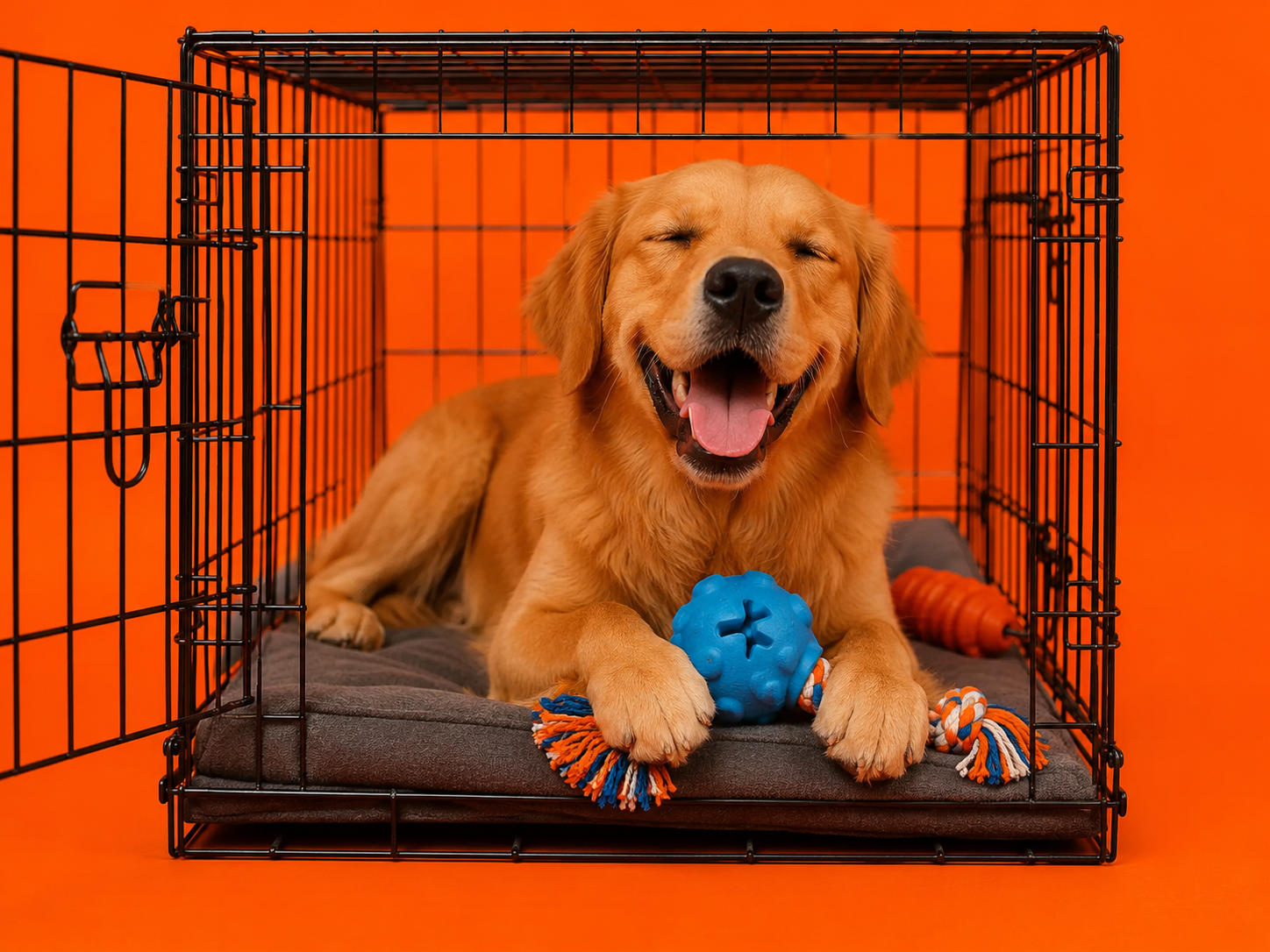
10 BULLYMAKE-Approved Toys & Tricks
If leaving your dog home alone causes you a sense of panic, it’s time for a change. Leaving your dog home alone doesn't have to mean coming back to shredded couch cushions and guilty eyes.
With the right preparation, the right enrichment, and the right toys matched to your dog's chewing intensity, you can turn dog’s home alone time into their favorite part of the day (well, almost 😊).
Dogs are social and extremely loyal; without adequate mental and physical stimulation with their favorite person (that would be you), boredom quickly turns into destructive behavior, excessive barking, or anxiety.
This guide walks you through ten strategies for keeping your dog happily occupied while you're away, with durable product recommendations built for even the toughest chewers. Whether you have a teething puppy or a power-chewing adult, you'll find actionable steps you can start using today.
Pre-Departure Preparation: The 3-Step Routine
What you do in the 30 to 60 minutes before leaving has an outsized impact on how your dog behaves while you're gone. Pre-departure exercise combined with enrichment activities can help many dogs settle more calmly during alone time.
Follow this three-step routine every time you leave:
- Walk or play session (15–30 minutes). Burn off excess energy with a brisk walk, fetch, or tug-of-war. A tired dog is a calm dog.
- Set up enrichment. Place a frozen treat toy, puzzle feeder, or scent game in the area where your dog will stay. This creates a positive association with your departure.
- Leave quietly. Skip dramatic goodbyes. A low-key exit reduces arousal and prevents triggering anxiety cues.
Short Practice Departures to Build Tolerance
If your dog struggles with being alone, start with practice departures of just 10 to 15 minutes. Gradually increase the duration over several days. This desensitization process helps dogs learn that your departure is temporary and always followed by your return.
10 BULLYMAKE-Approved Toys & Tricks for Alone Time
These ten strategies combine enrichment toys, mental stimulation techniques, and durable chew options specifically chosen for unsupervised solo time. Each recommendation has been evaluated for safety, engagement duration, and suitability across chewing styles.
Positive Association Departure Games
One of the most effective ways to reduce stress and boredom during alone time is to create a positive association with your departure. Rather than viewing your exit as the start of a lonely or frustrating experience, dogs learn that being alone predicts access to something special and rewarding.
- "Alone-Only" Special Toy — Designate one high-value toy that your dog only gets when you leave. This creates a powerful positive association with your departure and maintains novelty. Rotate which toy holds this special status weekly.
Rotate Toys & Build an "Alone-Only" Set
Dogs lose interest in toys they see every day. Rotation restores novelty and keeps engagement high without buying new toys constantly. The psychological principle is simple: scarcity increases perceived value.
Reserve two or three toys exclusively for departure time. Your dog should never see these toys when you're home. Over time, many dogs begin to associate your departure with access to their most prized toys, transforming a potentially stressful event into a positive one. Here is an example rotation schedule:
| Week | Alone-Only Toy | Stored (Resting) |
|---|---|---|
| Week 1 | Frozen rubber toy | Nylon toy, puzzle feeder |
| Week 2 | Puzzle feeder | Frozen rubber toy, treat ball (see below) |
| Week 3 | Nylon toy | Puzzle feeder, frozen rubber toy |
| Week 4 | Treat ball | Nylon toy, frozen rubber toy |
Active Independent Play
Some dogs need more than chewing or food enrichment. High-energy dogs often benefit from activities that encourage movement, exploration, and self-directed play. These toys and games help dogs stay physically and mentally engaged without requiring direct owner interaction.
- Treat-Dispensing Ball — A rolling ball that releases kibble as your dog bats it around. It combines physical movement with food motivation and works well for high-energy dogs who need to stay active. Choose a BULLYMAKE heavy-duty rubber version for aggressive chewers.
- Rubber Bouncing Chew Toy — An unpredictable bounce pattern keeps dogs chasing and engaged. BULLYMAKE's rubber toys are built to withstand power chewing and can be stuffed with treats for added interest. A strong choice for dogs who love independent play.
Food-Based Puzzles & Frozen Treats
Food-based puzzles are enrichment tools that require dogs to work: licking, pawing, nudging, or problem-solving to access food rewards, turning eating into mental stimulation.
- Frozen-Stuffed Rubber Toy — Fill a durable rubber toy with peanut butter (xylitol-free), pumpkin, or plain yogurt, then freeze overnight. The frozen filling extends engagement from minutes to over an hour, providing sustained mental stimulation. This is the single most recommended enrichment item across veterinary and behavioral sources. Best for moderate to power chewers using a BULLYMAKE rubber treat toy.
- Puzzle Feeder — These treat-dispensing toys require dogs to slide, flip, or nudge compartments to access food. They transform mealtime into a 20- to 40-minute problem-solving session. Feed your dog's entire breakfast through a puzzle feeder before you leave. Suitable for all chewing styles when sized correctly.
- Frozen Nylon Enrichment Toy — Some BULLYMAKE nylon toys feature grooves and textures that can hold peanut butter, pumpkin puree, plain yogurt, or other dog-safe spreads. Freezing the toy before you leave creates a longer-lasting licking and chewing challenge that combines mental stimulation with durable chewing satisfaction. For dogs that enjoy both licking and gnawing, frozen nylon toys can function as a hybrid between a chew toy and a mini lick mat. As with any new toy, supervise the first few sessions to ensure it matches your dog's chewing style.
Step-by-Step Freezing and Stuffing Flow
Frozen-stuffed toys are the gold standard for solo enrichment because they dramatically extend engagement time. Frozen puzzle feeders as one of the most effective tools for keeping pets busy and engaged. Here's how to prepare one:
- Plug the small hole of a durable rubber toy with a small piece of banana or cheese
- Layer the inside with xylitol-free peanut butter, plain canned pumpkin, and a few pieces of kibble
- Top with plain yogurt and a training treat poking out the top
- Stand upright in a cup and freeze for at least 4 to 6 hours (overnight is ideal)
- Remove from the freezer 5 minutes before you leave to let the surface soften slightly
- Always use dog-safe ingredients. Xylitol, a common sweetener in many peanut butter brands, is toxic to dogs. Check every label. Discard any frozen toy that develops mold or an off odor.
Scent & Foraging Games
Dogs experience the world primarily through scent, and nose work is one of the most mentally fatiguing activities you can offer. According to Adaptil, scent-based enrichment activities are among the most effective ways to help dogs cope when home alone.
- Scent Trail Game — Before leaving, drag a treat along a path through your home, ending at a hidden jackpot. This leverages your dog's strongest sense and can keep them occupied for 15 to 20 minutes of focused searching.
- Scatter Feeding Game - Scatter a portion of your dog's kibble or treats across a safe room, hallway, or fenced yard before you leave. Instead of eating from a bowl, your dog must use their nose to locate each piece individually. This simple activity taps into natural foraging instincts, slows down eating, and provides valuable mental stimulation with almost no setup time. For dogs new to scent work, start with treats placed in obvious locations and gradually increase the difficulty over time.
- Snuffle Mat — A fabric mat with deep fleece strips that hide kibble or small treats. Dogs use their nose to forage, which is mentally exhausting. Fifteen minutes of sniffing can be as tiring as a 30-minute walk. Best for gentle to moderate chewers; power chewers may shred the fabric unsupervised.
- Cardboard Box Foraging Challenge - Place treats, kibble, or a frozen enrichment toy inside a cardboard box filled with crumpled packing paper, paper towel rolls, or safe recyclable materials. Dogs must sniff, dig, and forage through the box to uncover the rewards. This taps into natural scavenging instincts and creates a longer-lasting enrichment activity using inexpensive household materials. Always supervise the first few sessions to ensure your dog is searching rather than ingesting the materials.
3 DIY Scent Games
- Muffin Tin Game: Place treats in a few cups of a muffin tin, then cover all cups with tennis balls. Your dog must remove the balls to find the treats. Setup takes under two minutes.
- Cardboard Box Search: Scatter treats among several open cardboard boxes of different sizes. Crumple newspaper inside some boxes to increase difficulty. Remove staples and tape before use.
- Towel Roll-Up: Lay treats along a towel, then roll it up. Your dog unrolls the towel to access the food. Start loose and roll tighter as your dog improves. This is ideal for gentle to moderate chewers.
Inspection and Leave-Alone Safety Rules
Leave-alone toys should not have pieces a dog could chew off and swallow.
Before every unsupervised session, inspect toys for cracks, loose fragments, or deep bite marks. If a toy shows significant wear, replace it immediately. Always introduce new toys during supervised play first.
Dogs can become frustrated with unfamiliar puzzles, and frustration can lead to destructive chewing or ingestion of non-toy materials.
Safety Checklist
Before leaving your dog alone with any enrichment toy or activity, run through this checklist:
- Inspect all toys for cracks, loose parts, or deep bite marks
- Ensure the toy is appropriately sized — too small means a choking risk
- Verify all food ingredients are dog-safe and xylitol-free
- Remove packaging, tags, staples, and tape from any DIY enrichment materials
- Introduce every new toy or puzzle during supervised play before leaving it for solo use
- Pick up rope toys, plush toys, and anything with detachable parts if your dog is a power chewer
- Ensure your dog has access to fresh water at all times
- Remove any toy that your dog has shown the ability to break apart
Monitor, Troubleshoot & Adjust
Use a Pet Camera
A pet camera isn't a luxury; it's a diagnostic tool. Watch how your dog interacts with enrichment during the first 30 minutes after you leave. Note which toys get ignored, which get finished too quickly, and whether your dog shows stress signals like pacing, whining, or door-scratching.
Review footage weekly and adjust your enrichment strategy based on what you observe. If your dog finishes a frozen toy in 10 minutes, freeze it longer or use a denser filling. If a puzzle feeder goes untouched, the difficulty level may be too high.
Troubleshooting Quick List:
- Dog ignores the toy: Increase treat value (use real meat or cheese), simplify the puzzle, or demonstrate the toy while you're home
- Finishes too fast: Freeze longer, pack filling tighter, or layer with harder-to-extract ingredients
- Shows stress signs (pacing, drooling, howling): Shorten alone time, consult your veterinarian, and read our guide on dogs suddenly destructive when left alone
- Destroys the toy: Move up to a higher durability tier, like from rubber to nylon
Frequently Asked Questions
What are the best toys for dogs left alone?
The best toys for dogs left alone include frozen-stuffed rubber toys, puzzle feeders, durable nylon chew bones, and snuffle mats. Each provides a different type of stimulation: oral, cognitive, and scent-based. The best choice depends on your dog's chewing style. Always conduct a supervised trial with any new toy before leaving it for unsupervised play. BULLYMAKE's enrichment guide offers detailed pairing suggestions.
How long can I safely leave my dog alone?
There's no universal answer. Most adult dogs can handle 4 to 6 hours, but puppies, senior dogs, and dogs with health conditions may need shorter intervals. If your dog isn't accustomed to being alone, start with 10- to 15-minute practice departures and gradually increase duration over days. Consult your veterinarian if your dog shows signs of separation anxiety.
Are frozen treats safe, and how do I make them?
Yes, frozen treats are safe when made with dog-appropriate ingredients. Use plain canned pumpkin, xylitol-free peanut butter, plain yogurt, mashed banana, or low-sodium bone broth. Stuff a durable rubber toy, freeze for 4 to 6 hours, and serve. Discard any frozen treat that develops mold or an unusual smell. Always check peanut butter labels for xylitol, which is toxic to dogs.
How do I choose toys for an aggressive chewer?
To choose toys for aggressive chewers, look for heavy-duty rubber or solid nylon toys with no small detachable parts like BULLYMAKE nylon and rubber. Avoid toys with squeakers, fabric coverings, or thin appendages that can be torn off and swallowed. Test every toy under supervision for at least two play sessions before leaving it unsupervised. Inspect regularly for wear. BULLYMAKE subscriptions allow you to customize toy preferences based on your dog's favorite play styles and toy materials.
What if my dog ignores puzzle toys?
Start simpler. Place treats on top of the puzzle rather than inside it, so your dog learns the toy equals food. Use high-value treats like small pieces of chicken or cheese. Demonstrate the toy yourself while your dog watches. You can also lay a scent trail leading to the puzzle to build initial interest. Some dogs need several supervised sessions before they engage independently.
Can scent games replace physical exercise?
Scent games provide excellent mental fatigue. 15 minutes of focused sniffing can tire a dog as much as a moderate walk. However, they do not replace physical exercise. Dogs need both cardiovascular activity and mental stimulation for overall well-being. Use scent games as a complement to walks and play, not a substitute.
Are there safety risks with DIY enrichment?
Yes. Common risks include ingestion of cardboard, choking on small parts, and swallowing fabric or string. Always remove staples, tape, and small detachable pieces from DIY setups. Supervise your dog's first interaction with any homemade enrichment item and remove it if your dog begins tearing it apart rather than foraging through it.
How to keep your dog busy for hours?
The best approach to keeping your dog busy for hours is to layer multiple forms of enrichment rather than relying on a single toy. Many owners combine pre-departure exercise, a frozen-stuffed rubber toy, a scent game, and an alone-only toy to create longer-lasting engagement. Rotating enrichment activities throughout the week also helps maintain novelty and prevents dogs from becoming bored with the same routine.
What dog toys keep dogs busy for hours?
Frozen-stuffed rubber toys, treat-dispensing toys, puzzle feeders, and durable enrichment toys can keep your dog busy for hours and tend to provide the longest engagement times. Toys that combine food rewards with problem-solving are often more effective than traditional chew toys because they encourage dogs to lick, chew, nudge, and investigate for extended periods. For aggressive chewers, durable rubber enrichment toys are often among the longest-lasting options, like BULLYMAKE dog toys.
What are the best entertainment toys for crate-trained dogs?
For crate-trained dogs, durable rubber enrichment toys, frozen-stuffed toys, and appropriately sized treat-dispensing toys are often the safest options. These toys encourage calm licking and chewing behaviors while helping dogs associate crate time with positive experiences. Always supervise new toys before introducing them during crate time and remove any toy that develops damage or loose pieces.
How to keep dogs entertained while home alone?
The most effective strategy combines physical exercise, mental stimulation, and toy rotation. A short walk or play session before leaving, followed by enrichment activities such as frozen-stuffed toys, scent games, puzzle feeders, and special departure-only toys, can help keep dogs occupied and reduce boredom-related behaviors. Matching enrichment activities to your dog's chewing style and energy level often produces the best results.
Which toys help relieve boredom in active dogs?
Active dogs often benefit from toys that encourage both movement and problem-solving. Treat-dispensing balls, puzzle feeders, scent games, frozen enrichment toys, and rubber toys with unpredictable bounce patterns can help satisfy a dog's need for physical activity while also providing mental stimulation. Rotating these toys regularly helps maintain interest and prevents them from becoming part of the background environment.
Keep Your Dog Happy While You're Away With BULLYMAKE Dog Toys
The most effective strategy for keeping your dog entertained while home alone combines pre-departure exercise, frozen-stuffed toys, and a rotating set of durable enrichment items matched to your dog's chewing intensity. No single toy does it all, but the right combination transforms alone time from stressful to stimulating.
BULLYMAKE subscription boxes are built specifically for this purpose! Every box can be customized with toy preferences that match your dog's favorite play styles, delivering a rotating mix of durable toys designed for aggressive chewers.
If your current toys don't last the afternoon, it's time to explore a BULLYMAKE subscription and give your dog something that actually holds up.
You might also be interested in...
Wondering whether to get your dog a dog toy subscription or keep buying individual toys? In this blog we make the case for why a dog subscription adds value and convenience over time.
Learn why BULLYMAKE is a great gift idea for dogs!
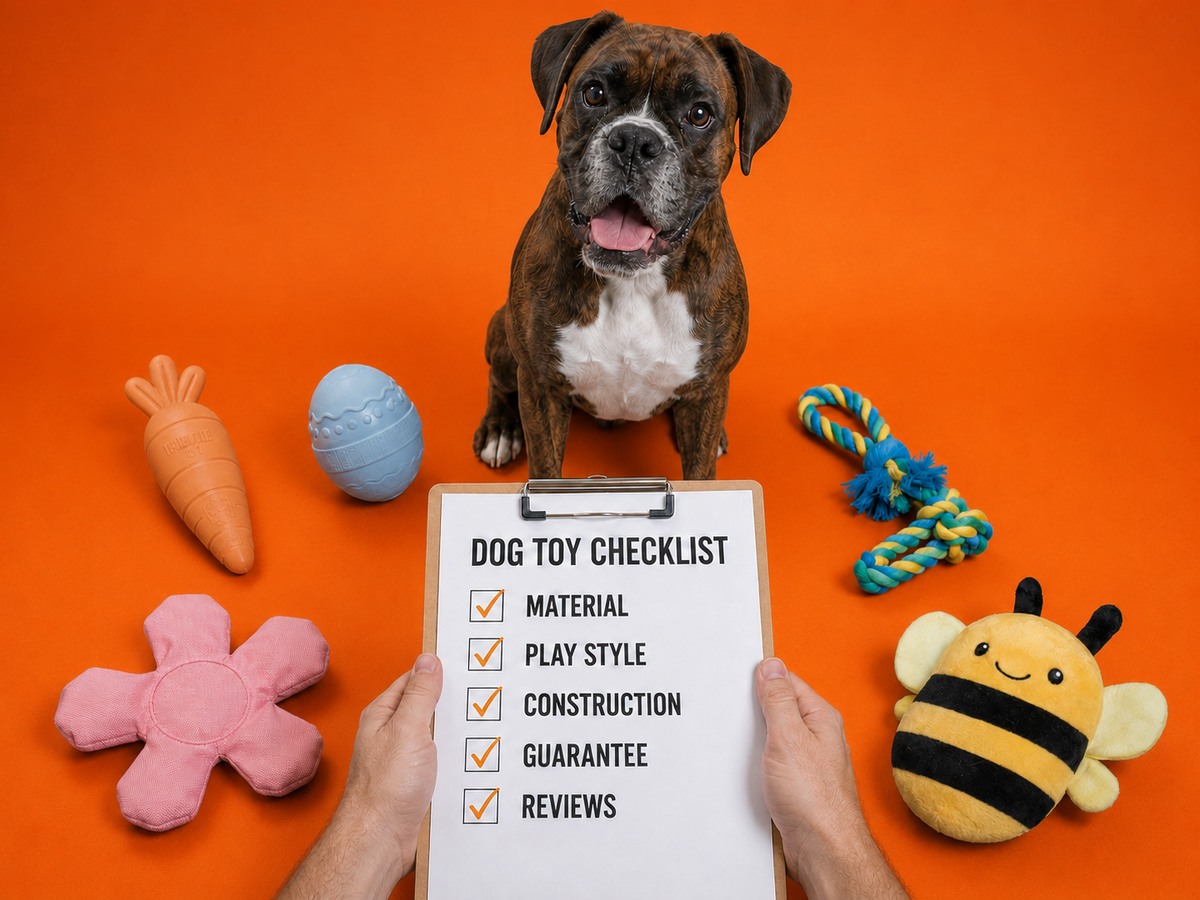
How do you know if a dog toy is truly durable? Follow our checklist to uncover the truth about your dog toy's durability!