What Are the Best Interactive Dog Toys for Keeping Dogs Entertained?
Learn about interactive dog toys like rope, ballistic fabric, rubber and other top picks.
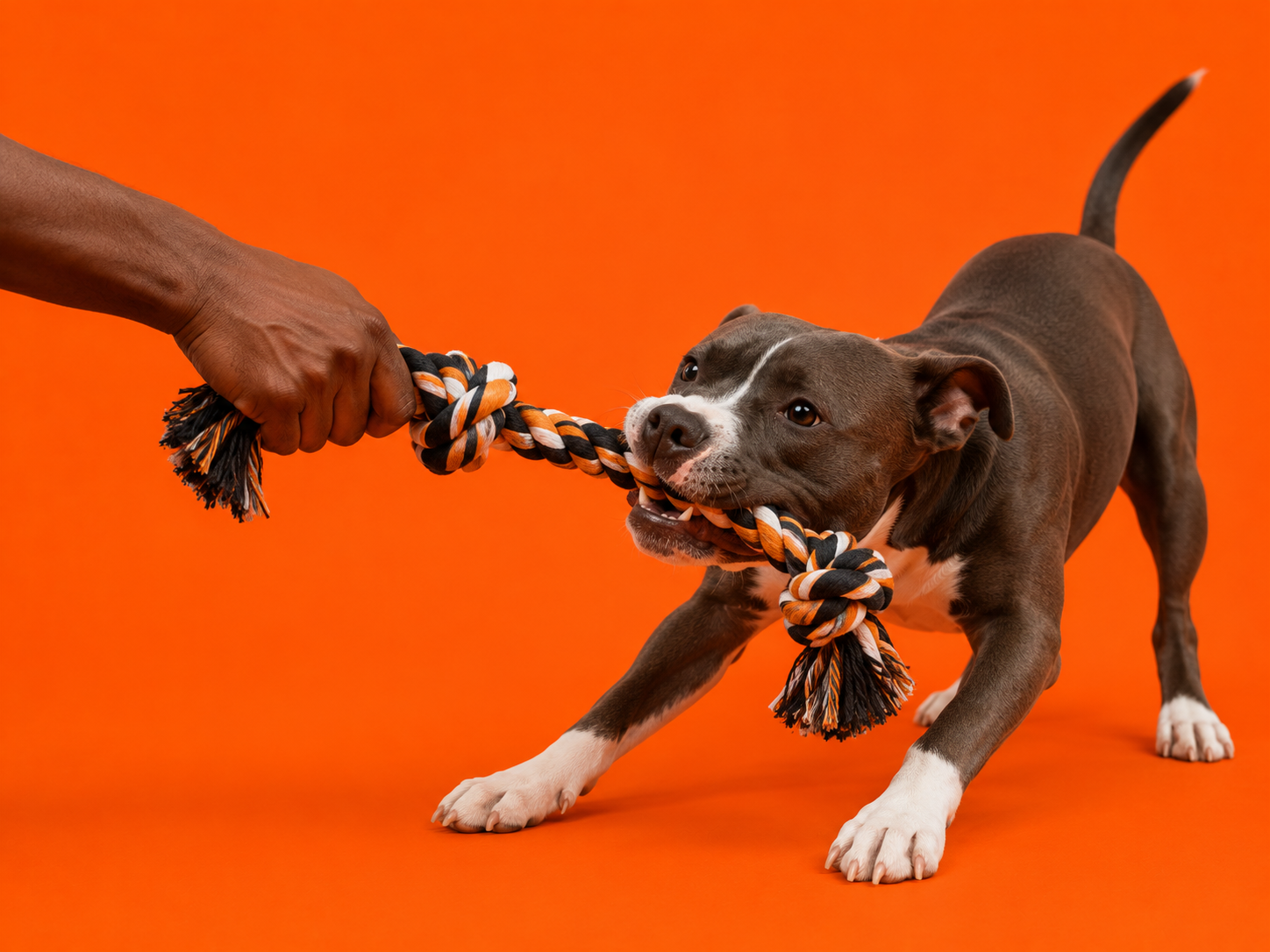
The best interactive dog toys give dogs something to do: work out treats, search for hidden rewards, chase a moving toy or play tug with their owner. Treat-dispensing toys suit food-motivated dogs, puzzle toys offer problem-solving challenges, and tug or fetch toys encourage active play together.
For power chewers, BULLYMAKE treat-dispensing rubber toys offer a durable option for food-based enrichment. BULLYMAKE rope and ballistic fabric toys support supervised tug games, giving owners additional ways to keep playtime engaging.
What Makes a Dog Toy Interactive?
Interactive dog toys encourage active participation rather than passive play.
Unlike basic chew toys, interactive toys create opportunities for dogs to solve problems, engage with owners, work for rewards, or experience changing play patterns.
Interactive toys often support one or more of the following activities:
- Tugging
- Chasing
- Fetching
- Chewing
- Carrying
- Treat dispensing
- Problem solving
- Training games
For many dogs, interactive play provides mental stimulation that can help reduce boredom and redirect destructive behaviors toward appropriate outlets.
For aggressive chewers, durability matters just as much as entertainment value. The ideal toy combines engagement with materials capable of handling stronger chewing styles.
Interactive Dog Toy Comparison Table
| Interactive Activity | BULLYMAKE Toy Option | How to Use It |
|---|---|---|
| Treat dispensing and problem-solving | Rubber | Place appropriately sized treats inside a treat-dispensing design so your dog works to release them. |
| Licking enrichment | Suitable nylon designs | Spread a small amount of dog-safe food on a suitable surface for supervised licking. |
| Play with an owner | Rope or ballistic fabric | Use for interactive tug games, then put away after play. |
| Chase and retrieval | Suitable rubber or plush designs | Toss for supervised chase-and-return games. Reserve plush for gentle players. |
| Searching and discovery | Plush or another favorite toy | Hide the toy in an accessible spot and encourage your dog to find and retrieve it. |
Best Interactive Dog Toy Types for Aggressive Chewers
Different dogs enjoy different styles of play. Understanding your dog's favorite activities can help you choose toy types that keep them entertained for longer.
Rubber Toys: Best for Treat Dispensing and Problem-Solving
Rubber toys offer some of the most versatile interactive experiences available.
Many can be stuffed with treats, frozen with enrichment recipes, used for fetch, or given during quiet time. The combination of food rewards and physical interaction helps extend engagement far beyond what a standard chew toy provides.
Benefits of BULLYMAKE rubber toys:
- Treat-dispensing capabilities
- Suitable for frozen enrichment
- Fetch-friendly designs
- Durable for aggressive chewers
Dogs that enjoy problem-solving and food-motivated play often respond especially well to rubber enrichment toys.
Many BULLYMAKE rubber toys are designed to create unpredictable movement patterns that encourage dogs to strategize how they nudge, paw, chase, and manipulate the toy. Others can be stuffed with treats or meals, transforming an ordinary feeding session into a mentally stimulating enrichment activity.
This combination of chewing, problem-solving, and reward-based play can help keep dogs engaged significantly longer than traditional toys or food bowls.
- Interactive Enrichment Tip: Fill a rubber toy with kibble, wet food, pumpkin puree, or a small amount of dog-safe peanut butter and freeze it overnight. Frozen enrichment toys can keep many dogs occupied for 20–30 minutes or longer while encouraging natural foraging and problem-solving behaviors. For an added challenge, use treat-dispensing rubber toys as a meal replacement several times per week to slow fast eaters and extend engagement.

How to Use a BULLYMAKE Treat-Dispensing Rubber Toy
- Check the toy. Inspect for cracks, rough edges or missing pieces before use.
- Add treats. Choose treats that fit the opening and can come back out. Start with a loose fit so the reward is easy to release.
- Let your dog explore. Offer the filled toy under supervision and let your dog nudge, paw and manipulate it to release the treats.
- Inspect after play. Remove the toy if pieces break off or damage develops. Clean it before the next session.
Explore BULLYMAKE rubber dog toys.
Ballistic Toys: Best for Interactive Tug Games
Ballistic fabric toys are designed to encourage active engagement between dogs and owners.
Unlike many plush toys, ballistic materials are built with stronger fabrics and reinforced construction to better withstand rough play. These toys are particularly useful for tug games, interactive bonding, and high-energy exercise sessions.
Benefits of ballistic toys:
- Excellent for tug games
- Encourages owner-dog interaction
- Durable fabric construction
- Helps burn physical energy
BULLYMAKE ballistic fabric toys feature reinforced stitching, multiple grip points, crinkle interiors and unique shapes that create changing resistance during play. Rather than simply pulling in a straight line, dogs must adjust their grip, stance, and pulling strategy throughout the game.
This added challenge engages both the body and the mind, making tug sessions more mentally stimulating than many owners realize.
Ballistic toys are especially valuable for dogs that thrive on interaction. The combination of physical exercise, problem-solving, and owner engagement can help satisfy natural instincts while strengthening the bond between dogs and their families.
- Interactive Enrichment Tip: Turn tug-of-war into a training game by incorporating commands such as "sit," "wait," "take it," and "drop it" throughout play sessions. Short 5–10 minute tug sessions that combine physical activity with obedience cues can provide both mental and physical stimulation while helping dogs practice impulse control. For added variety, change tug angles, grips, and movement patterns between sessions to keep the game feeling new and engaging.
Rope Toys: Best for Tug and Fetch
Rope toys combine interactive play with versatility.
Many dogs enjoy rope toys because they work for both tug sessions and fetch games. The varied texture can also make them more interesting than smooth toy surfaces, while multiple grip points allow dogs and owners to engage in a variety of play styles.
Benefits of rope toys:
- Great for interactive tug games
- Useful for fetch sessions
- Multiple grip points
- Popular among larger breeds
BULLYMAKE rope toys feature thick braided 100% cotton construction designed to stand up to energetic play while providing flexibility for different activities. Some rope designs create unpredictable movement and bounce when tossed, adding excitement to fetch sessions and encouraging dogs to chase, grab, and carry the toy in different ways.
The textured surface can also provide gentle dental friction during supervised play.
Use rope toys for supervised games together, such as tug and fetch, and put them away afterward. They are not intended for chewing or gnawing.
- Interactive Enrichment Tip: Alternate short fetch and tug games, using cues such as “take it” and “drop it” to add variety. Remove the toy if it becomes frayed, unravels or develops loose strands.
Plush Toys: Best for Hide-and-Seek, Gentle Fetch and Comfort
Not every aggressive chewer spends all day chewing.
Many dogs also enjoy carrying toys, shaking them, cuddling them, or using them as comfort objects. Plush toys can satisfy these softer play instincts while adding variety to a dog's toy collection.
Benefits of plush toys:
- Encourages carrying behavior
- Provides comfort and companionship
- Appeals to prey-drive instincts
- Adds variety to toy rotation
- Satisfy destructive desires
Many dogs naturally enjoy carrying toys from room to room, gently mouthing them, or engaging in playful shaking behaviors that mimic instinctive activities. Plush toys provide a different texture and play experience than rubber, nylon, rope, or ballistic toys, helping create a more balanced enrichment routine.
For dogs that enjoy multiple play styles, plush toys can complement tougher chew-focused options by offering opportunities for comfort, carrying, and lighter interactive play. And, let’s be honest, sometimes your dog needs to satisfy their destructive desires. Rotating plush toys alongside more durable toy types can help maintain novelty while satisfying a broader range of natural canine behaviors.
- Interactive Enrichment Tip: Turn plush toys into a simple hide-and-seek game by placing them around the house and encouraging your dog to find and retrieve them. You can also use plush toys during fetch, training rewards, or supervised prey-drive games that involve chasing, carrying, and returning the toy. Rotating plush toys frequently helps maintain novelty and keeps dogs interested in familiar favorites.
Nylon Toys: Best for Supervised Chewing
Nylon toys are designed for dogs that primarily enjoy chewing.
Many aggressive chewers find long-lasting chewing sessions mentally satisfying because chewing releases energy and provides an outlet for natural instincts. Durable nylon toys can withstand repeated gnawing while helping occupy dogs during downtime.
Why owners choose BULLYMAKE nylon toys:
- Long-lasting durability
- Ideal for heavy chewers
- Available in multiple shapes and flavors
- Low-maintenance enrichment option
Nylon toys can complement an interactive toy rotation by providing supervised chewing between games. Hard nylon carries a tooth-injury risk and is not appropriate for dogs with compromised tooth strength.
For dogs whose primary play style is gnawing, nylon chew toys are often a top choice. BULLYMAKE infuses some of its nylon toys with flavors like bacon, peanut butter, and chicken throughout the material (not just on the surface) so the taste reward persists as the dog chews over time.
This combination of durability and flavor can help maintain engagement longer than many traditional chew toys.
- Interactive Enrichment Tip: Pair nylon chew sessions with quiet periods after walks, training sessions, or outdoor play. Many owners find that a durable chew toy helps dogs settle more easily indoors while providing a satisfying outlet for natural chewing instincts. Inspect nylon toys regularly and remove them if deep grooves, sharp edges, or large missing pieces develop.
How to Choose the Right Interactive Toy for Your Dog
Selecting the right toy starts with identifying your dog's dominant play style. Use this simple four-category decision flow:
- Tuggers — Dogs that grab and pull. Choose ballistic fabric or rope tug toys.
- Chasers — Dogs that love to run and retrieve. Choose rubber fetch toys with erratic bounce or rope toys.
- Chewers — Dogs that gnaw for extended periods. Choose durable nylon or dense rubber chew toys.
- Foragers — Dogs that nose, paw, and problem-solve. Choose treat-dispensing rubber toys.
Many dogs span two or more categories, which is exactly why toy rotation matters.
How BULLYMAKE Compares to Other Interactive Dog Toy Brands
Several brands offer interactive dog toys, but they often focus on different play styles and chewing intensities.
| Brand | Best Known For | Best For |
|---|---|---|
| BULLYMAKE | Overall entertainment and toy rotation | Aggressive chewers |
| KONG | Treat-stuffing enrichment | Food-motivated dogs |
| West Paw | Puzzle-style enrichment | Moderate chewers |
| Chuckit | Fetch toys | Retrieval-focused dogs |
| Outward Hound | Puzzle toys | Mental stimulation |
Many owners discover that a single toy style isn't enough to keep their dog engaged over time.
A dog may enjoy chewing one day, tugging the next, and treat-dispensing enrichment later in the week. That's why a subscription box that comes with variety offers more value than finding one "perfect" toy.
Keep Interactive Play Fresh with Toy Rotation
Rotate a few toys based on the activities your dog enjoys: a rubber toy for treat challenges, rope or ballistic fabric for supervised tug, and plush for gentle fetch or hide-and-seek. Include nylon for supervised chewing if hard materials suit your dog’s dental health and chewing behavior.
Store toys between sessions and reintroduce them as interest changes. You don’t need a fixed schedule—watch which activities keep your dog engaged and adjust accordingly.
BULLYMAKE subscribers can update preferred toy materials for future boxes. Learn more about monthly variety and customization in our guide to dog toy subscriptions for entertainment.
Build a Play Routine Around Your Dog
Mix activities your dog enjoys, such as a supervised treat challenge, an interactive tug game or gentle fetch. Offer breaks and adjust each session to your dog’s age, health, energy and interest.
These activities can complement walks, training and other daily enrichment. There is no single play duration that meets every dog’s needs.
Frequently Asked Questions
What are the best interactive dog toys for keeping dogs entertained?
The best interactive dog toys for keeping dogs entertained combine mental stimulation, physical activity, and rewards. Treat-dispensing toys encourage problem-solving, puzzle toys challenge dogs to uncover hidden treats, snuffle mats engage their natural foraging instincts, and tug or fetch toys encourage active play with their owners. The best choice depends on your dog's chewing strength, energy level, and favorite activities.
For power chewers, BULLYMAKE offers durable rubber toys for treat-dispensing enrichment, nylon toys for appropriate supervised chewing, and rope and ballistic fabric toys for interactive tug games. Suitable plush toys can also provide opportunities for gentle fetch, carrying, and hide-and-seek.
To keep playtime interesting, combine different activities and rotate toys as your dog's interests change. Choose toys appropriate for your dog's chewing behavior, supervise play, and remove damaged toys.
What toys provide the most interactive entertainment for dogs?
The toys that provide the most interactive entertainment for dogs include treat-dispensing rubber toys, puzzle feeders, snuffle mats, and toys for tug, fetch and hide-and-seek. Each offers a different challenge: releasing food, uncovering hidden rewards, searching by scent or playing with an owner. Treat-dispensing rubber toys, tug toys, rope toys, and puzzle-style enrichment toys from BULLYMAKE are the best options because they combine physical activity with mental stimulation.
BULLYMAKE treat-dispensing rubber toys are an option for power chewers who enjoy food-based problem-solving. Dogs nudge, paw and manipulate the toy to release treats, combining a reward with active engagement.
Other BULLYMAKE options support different interactive activities:
-
Rope and ballistic fabric: Owner-led tug games, with cues such as “take it” and “drop it.”
-
Suitable rubber designs: Toss-and-chase or retrieval games.
-
Plush: Hide-and-seek and gentle fetch for dogs that play softly.
Combine food challenges with games together, and rotate activities as your dog’s interest changes. Supervise play and remove damaged toys.
What types of interactive toys are best for heavy or power chewers?
The types of interactive toys that are best for heavy or power chewers are nylon, rubber, and ballistic toys from BULLYMAKE. Reinforced nylon toys are the top choice for extreme gnawers because they resist splintering and wear down gradually rather than breaking apart.
Thick rubber toys work well for dogs with a strong but slightly less intense chewing style, especially when they double as treat dispensers. Ballistic fabric is made with heavy-duty material designed for tug and fetch.
BULLYMAKE offers nylon, rubber, and ballistic toy options specifically designed for dogs that destroy standard toys. Supervise every play session, watch how your dog uses the toy, and remove it if pieces break off or damage develops. Rope and ballistic fabric are for interactive games, not sustained chewing.
How long should I let my dog play with interactive toys each day?
You should let your dog play with interactive toys anywhere from 10–30 minutes each day. For puzzle and treat-dispensing toys, aim for one or two focused sessions of 10–15 minutes each. Tug and fetch sessions work best in 5–15 minute bursts.
Overlong sessions can lead to frustration or overexertion. Combining short training commands with puzzle play maximizes mental fatigue. A mentally tired dog is often a better-behaved dog. Durable enrichment toys, including treat-dispensing rubber toys from BULLYMAKE, can help make these sessions more engaging.
How often should I rotate my dog's toys to keep them interested?
Rotate your dog’s toys as their interest changes rather than following a fixed schedule. Keep a few suitable options available during supervised play, store others between sessions, and reintroduce them to add variety. BULLYMAKE’s monthly themed boxes can help refresh your rotation, and you can update preferred toy materials as you discover what your dog enjoys.
Can treat-dispensing toys help with problem behaviors like destructive chewing?
Treat-dispensing toys can provide an appropriate outlet for chewing and food-based problem-solving, helping redirect dogs from household items. BULLYMAKE treat-dispensing rubber toys let dogs work to release treats while engaging their mouths and minds.
Supervise every session, remove damaged toys, and vary activities as your dog’s interest changes. Toys can complement exercise and training, but persistent destructive behavior may need guidance from your veterinarian or a qualified behavior professional.
When should I remove a toy for safety reasons?
Remove a toy when you notice cracks, sharp edges, loose or missing pieces, exposed internal components, or fraying and unraveling fabric or rope. Inspect toys before and after each session, supervise use, and never allow your dog to swallow pieces.
How does BULLYMAKE's subscription work, and why is rotation beneficial?
BULLYMAKE's subscription is a customized box that ships monthly with two to three toys and three treats (or a toys-only box). Customers can customize their toy mix with nylon, rubber, ballistic, rope, and plush options.
Plans are available in 1, 3, 6, and 12-month options. The monthly cadence naturally supports toy rotation, ensuring your dog always has fresh, novel items to engage with, which is one of the most reliable ways to prevent boredom long-term.
Keep Your Power Chewer Entertained for Good
Whether your dog prefers chewing, tugging, fetching, carrying, or problem-solving, the right mix of interactive toys can transform boredom into enrichment. For aggressive chewers, combining multiple toy types and rotating them regularly is one of the most effective ways to keep playtime fresh.
Ready to find the perfect match? Take the BULLYMAKE quiz and get a customized box of durable toys delivered to your door every month.
You might also be interested in...
Wondering whether to get your dog a dog toy subscription or keep buying individual toys? In this blog we make the case for why a dog subscription adds value and convenience over time.
Learn why BULLYMAKE is a great gift idea for dogs!
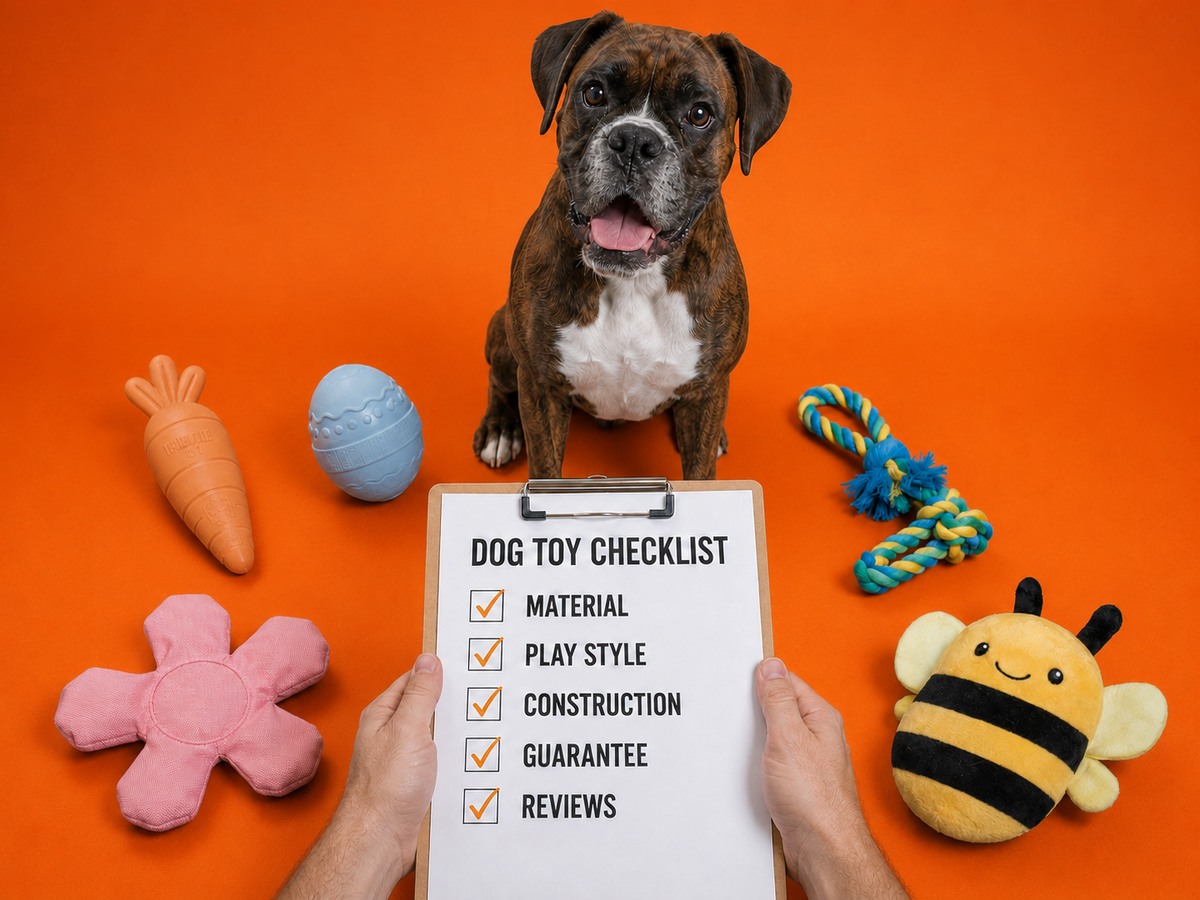
How do you know if a dog toy is truly durable? Follow our checklist to uncover the truth about your dog toy's durability!