The Ultimate Bully Puppy Guide: Best Toys, Training, Nutrition & Care for Power Chewers
Discover the best toys, training, nutrition, and care tips for bully puppies and power chewers. Includes vet-backed guidance and durable BULLYMAKE recommendations.
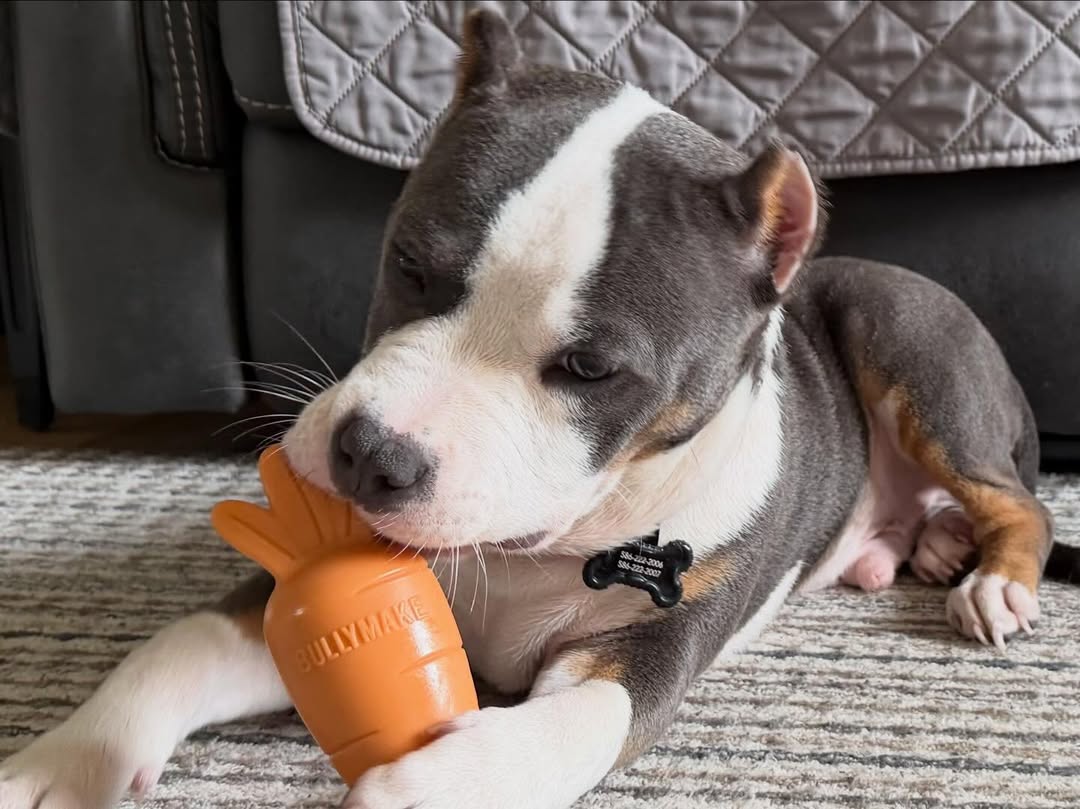
Bringing home a bully puppy is exciting, rewarding, and sometimes a little chaotic, especially if your new companion loves to chew everything in sight. Bully breeds are intelligent, energetic, and often incredibly strong chewers even at a young age, which means they need the right mix of training, nutrition, exercise, and enrichment to thrive.
This complete BULLYMAKE guide covers everything new bully puppy owners need to know, including how to choose a healthy puppy, feeding schedules, exercise guidelines, socialization milestones, and the best durable toys for power chewers.
Whether you have an American Bully, Pit Bull–type puppy, American Bulldog, or another bully breed mix, this guide will help you build healthy habits early while protecting your home from destructive chewing.
Because many bully puppies chew with greater intensity than other breeds, durable enrichment toys and structured toy rotation can make a major difference during teething and training stages.
BULLYMAKE focuses on power-chewer enrichment with durable toy materials, USA-made treats, customizable subscriptions, and a durability guarantee for added peace of mind.

Quick Answers for New Bully Puppy Owners
- Best toy type: Dense rubber and nylon chew toys
- Exercise needs: 30–60 minutes daily
- Best age for socialization: 8–16 weeks
- Meal frequency: 3–4 meals daily until about 6 months old
- First vet visit: Within the first week after bringing your puppy home
- Best enrichment strategy: Rotate toy textures weekly
- Best calming activity: Supervised chewing sessions after exercise
- Best treats: USA-made treats sized for puppies and customized for sensitivities
What Is a “Bully” Breed?
The term “bully breed” typically refers to dogs descended from bulldog- and terrier-type lineages. Common examples include American Bullies, American Pit Bull Terriers, Staffordshire Bull Terriers, and American Bulldogs.
American Bullies are commonly categorized into four size classes.
While size varies, most bully puppies share similar needs: structured exercise, early socialization, high-quality nutrition, and durable enrichment toys.
What to Look for in a Healthy Bully Puppy
Whether you adopt from a rescue, work with a responsible breeder, or bring home a bully-breed mix, early health, temperament, and socialization can all play a major role in long-term success.
Bully puppies are often intelligent, energetic, and highly people-focused, but they can also become strong power chewers early in development. Starting with healthy habits, consistent routines, and appropriate enrichment can make training and socialization much easier later.
Prioritize Temperament and Health Over Appearance
A healthy, stable temperament matters more than coat color or exaggerated physical features. Before bringing home a puppy, ask questions about:
- Vaccination and deworming history
- Current feeding schedules
- Early socialization experiences
- Comfort around people and other animals
- Any known health or behavioral concerns

Health and Wellness Checklist
If available, ask for information about:
- Hip and joint health history
- Veterinary wellness exams
- Vaccination records
- Parasite prevention
- Socialization exposure
- Current diet and routine
- Exercise restrictions for growing puppies
Signs of a Healthy, Well-Socialized Puppy
When evaluating a puppy, look for:
- Bright eyes without discharge
- Clean ears and healthy skin
- Comfortable movement without limping
- Curiosity and willingness to engage
- Balanced confidence without extreme fearfulness
Puppies that recover quickly from new experiences often adapt more easily to training, enrichment, and socialization routines later on.
Preparing Your Home
Bully puppies are naturally curious and powerful for their size, so preparation matters.
Essential Bully Puppy Supply List
Before your puppy arrives, gather these essentials:
- Durable chew toys for power chewers
- Crate with divider panel
- Orthopedic puppy bed
- Stainless steel food and water bowls
- High-quality puppy food
- Flat collar and harness
- Training treats
- Puppy-safe cleaning products
- Enrichment feeders and puzzle toys
- Baby gates for room management
- Long leash for training
- Heavy-duty rubber or nylon chew toys
Choosing durable toys early helps redirect destructive chewing before bad habits form. The BULLYMAKE subscription box includes tough chew toys and USA-made treats designed specifically for aggressive chewers and with power chewers like bully breeds in mind.
Puppy-Proofing and Safety Tips
Puppies explore with their mouths.
Secure electrical cords, remove toxic plants, store medications safely, and keep shoes or small objects out of reach. Trash cans should have locking lids, and laundry rooms should remain closed when unsupervised.
Avoid leaving soft plush toys unattended with heavy chewers, since torn stuffing and squeakers can become choking hazards.
Creating a Comfortable, Stimulating Space
Set up a calm puppy area with:
- A properly sized crate
- Soft bedding
- Water access
- Durable chew toys
- Snuffle mats or enrichment feeders
- Rotating textures for mental stimulation
Creating an enrichment station helps prevent boredom and encourages healthy independent play. Orthopedic beds can also support developing joints, especially in larger bully breeds.

Nutrition and Growth
Nutrition plays a major role in healthy muscle development, joint support, energy levels, and long-term weight management.
Life-Stage Protein and Calorie Quick-Reference Table
| Life Stage | Recommended Protein | Daily Feeding Notes |
| Puppy | 22-28% |
Higher calories for growth |
| Adult | 18-25% |
Maintenance-focused nutrition |
| Senior | 18-22% |
Joint and weight support |
Large bully puppies grow quickly, which makes balanced nutrition especially important. Avoid overfeeding during growth phases. Rapid weight gain can place unnecessary stress on developing joints and growth plates.
Feeding Schedules and Portion Tips by Age
Young puppies need smaller, more frequent meals.
| Age | Meals Per Day |
| 8-12 weeks |
4 meals |
| 3-6 months |
3 meals |
| 6+ months |
2 meals |
A sample feeding day for a 12-week-old bully puppy might include:
- Breakfast at 7 AM
- Midday meal at 12 PM
- Afternoon meal at 4 PM
- Evening meal at 8 PM
Always transition foods gradually over 7–10 days to avoid digestive upset.
Look for foods with:
- Named meat proteins
- Balanced calcium and phosphorus
- DHA for brain development
- Limited fillers
- Veterinary feeding certifications
Weight Management and Joint Support
Maintaining a healthy body condition score (BCS) is critical for bully breeds. You should be able to feel your puppy’s ribs without excessive fat covering. Puppies should appear muscular and athletic rather than round.
Avoid repetitive high-impact exercise before growth plates close. Excessive jumping or forced running may stress developing joints. Some veterinarians may recommend supplements such as:
- Glucosamine
- Chondroitin
- Omega-3 fatty acids
Always discuss supplements with your veterinarian before adding them to your puppy’s diet.

Exercise and Mental Enrichment
Bully puppies need both physical exercise and mental stimulation. Without proper enrichment, many puppies redirect energy into destructive chewing, digging, barking, or hyperactivity.
Age-Appropriate Exercise Plans
Most bully puppies benefit from approximately 30–60 minutes of daily activity divided into shorter sessions. For younger puppies:
- Short leash walks
- Gentle play sessions
- Training games
- Indoor enrichment activities
Avoid excessive stair climbing, repetitive jumping, or forced endurance exercise while growth plates are still developing. For bully breeds with shorter muzzles, avoid exercising during hot weather or peak afternoon temperatures.
Signs of overheating include:
- Heavy panting
- Drooling
- Sluggish movement
- Bright red gums
Exercise during cooler morning or evening hours whenever possible.
Daily Enrichment Checklist
Rotate enrichment activities throughout the week to keep your puppy mentally engaged. Try these five activities:
- Puzzle feeders
- Snuffle mats
- Frozen treat toys
- Training games
- Supervised chew sessions
Chewing can help calm puppies by providing mental stimulation and satisfying natural instincts. Many owners find that durable chew sessions after walks help puppies settle more easily indoors.
Toy Texture Rotation Schedule
Rotating toy materials helps prevent boredom and extends engagement.
| Day | Recommended Texture |
| Monday | Rubber |
| Tuesday | Rope |
| Wednesday | Nylon |
| Thursday | Ballistic fabric |
| Friday | Rubber |
| Saturday | Rope |
| Sunday | Plush with supervision |
BULLYMAKE offers multiple toy materials including rubber, nylon, rope, ballistic, and plush options designed for different chewing styles.
Training and Socialization
Early training and socialization shape how bully puppies respond to people, environments, and other animals later in life.
First 4 Commands Every Bully Puppy Should Learn
Focus on simple foundational skills first.
- Sit! Reward your puppy the moment their rear touches the floor.
- Stay. Start with one-second stays and gradually increase duration.
- Come. Use high-value treats and positive reinforcement every time your puppy returns.
- Leave It. Teach impulse control by rewarding your puppy for disengaging from tempting objects.
Short training sessions work best for young puppies. Aim for 5–10 minutes several times daily.
Socialization Timeline and Milestone Checklist
8–12 Weeks
- Meet friendly people
- Experience household sounds
- Begin crate training
- Introduce gentle handling
- Explore safe surfaces
12–16 Weeks
- Visit puppy classes
- Practice leash walking
- Meet vaccinated dogs
- Ride in the car
- Visit new environments
4–6 Months
- Continue confidence-building
- Reinforce commands around distractions
- Practice calm greetings
- Expand enrichment routines
Positive experiences during these stages can reduce fear-based behaviors later in life.
Managing Reactivity and High Energy
Some bully puppies become overstimulated easily. If your puppy reacts strongly to dogs, noises, or strangers, focus on:
- Distance-based exposure
- Reward-based desensitization
- Counter-conditioning exercises
- Calm engagement games
Avoid punishment-based training methods. If reactivity escalates or becomes difficult to manage, consult a certified positive-reinforcement trainer or veterinary behavior professional.

Enrichment and Durable Toys for Power Chewers
Not all puppy toys are designed for strong chewers. Many generic puppy toys tear quickly, creating frustration for owners and potential safety risks for dogs.
Bully breeds and power chewers often benefit from more structured enrichment routines that combine durable chewing outlets with mental stimulation and interactive play. Durable rubber, nylon, rope, and ballistic-style toys can help redirect destructive chewing while supporting healthier engagement habits.
BULLYMAKE designs durable chew toys specifically for aggressive chewers, with multiple toy materials and toughness levels that help owners rotate enrichment based on chewing intensity, age, and play style.
How to Evaluate Power-Chew Toys
Choose toys based on four main criteria:
- Material density
- Appropriate sizing
- No detachable small parts
- Durability guarantees
Dense rubber and hard nylon toys are often better choices for bully breeds and aggressive chewers. Always size toys appropriately to reduce choking risks.
For puppies and dogs that destroy softer toys quickly, BULLYMAKE rubber and nylon toys are designed specifically for stronger chewing styles and long-term enrichment.
Generic Puppy Toys vs. BULLYMAKE Power-Chewer Toys
| Generic Puppy Toys | BULLYMAKE Power-Chewer Toys |
| Soft materials tear easily |
Designed for aggressive chewers |
| Limited durability |
Replacement guarantee |
| Few customization options |
Personalized subscription choices |
| Generic treats |
USA-made treats (size appropriately for puppies; 1 treat per 15 pounds) |
| One-size-fits-all designs |
Play style and chew strength focused |
BULLYMAKE’s Offering for Power Chewers
BULLYMAKE boxes are designed specifically for dogs that destroy standard toys quickly.
Typical boxes may include:
- 2–3 durable toys
- 3 USA-made treats
- Material customization options
- Allergy-friendly selections
Owners can customize preferences based on:
- Toy material
- Treat sensitivities
- Play style
- Chew strength
One customer described their experience this way:
“Our bully puppy destroyed every store toy in days until we tried BULLYMAKE. The tougher materials actually lasted, and the toy rotation helped reduce destructive chewing around the house.”
Subscription Flow and Benefits
The BULLYMAKE subscription process is simple.
- Tell them about your dog
- Select toy and treat preferences
- Receive monthly enrichment boxes
- Rotate toys weekly for continued engagement
Most boxes include multiple toy textures and USA-made treats to help maintain novelty and engagement.
The ability to customize allergy-friendly treat selections is especially useful for dogs with food sensitivities.

Toy Safety and Rotation Routine
Inspect toys regularly for wear. Remove damaged toys immediately if pieces begin breaking off. Rotate at least three textures weekly:
- Rubber
- Nylon
- Rope
Keeping one durable “always available” chew toy can help puppies self-soothe and settle after exercise or training.
For additional enrichment guidance, check out the internal resource: Small Dog Chewers: Ultimate Toy Guide.
Frequently Asked Questions
How often should I rotate my bully puppy’s toys?
Rotate at least three toy textures weekly, including rubber, nylon, and rope options. Keeping one durable chew toy always available can help puppies calm themselves and reduce destructive chewing.
What types of toys are best for power-chewing bully puppies?
Dense rubber and hard nylon toys sized appropriately for your puppy are often best. Avoid toys with detachable parts and look for durability guarantees like BULLYMAKE’s 45-day durability promise.
How much exercise does a bully puppy need?
Most bully puppies need approximately 30–60 minutes of daily activity split into shorter sessions. Young puppies benefit from gentle walks, training games, and enrichment rather than high-impact exercise.
When should I schedule my puppy’s first vet visit?
Schedule your puppy’s first veterinary visit within the first week after bringing them home. Vaccinations typically occur between 6–16 weeks, while hip and elbow screenings are commonly recommended around 18–24 months.
How can I stop destructive chewing behavior?
Provide daily mental enrichment, rotate durable toys weekly, use puzzle feeders, and schedule supervised chew sessions after exercise. Consistent structure and enrichment often reduce unwanted chewing.
Are BULLYMAKE treats safe for puppies with allergies?
BULLYMAKE offers customizable subscriptions that allow owners to adjust treat preferences and avoid certain ingredients or proteins for dogs with sensitivities.
Resources and Next Steps
Raising a healthy bully puppy takes patience, structure, and the right enrichment tools. By focusing on nutrition, early socialization, age-appropriate exercise, and durable chewing outlets, you can help your puppy grow into a confident, well-adjusted adult dog.
For additional support and enrichment ideas:
- Customize your first BULLYMAKE box
- The Best Toys for Puppies Who Chew Everything
- Review breed guidance from AKC
- My Bully Crew Essential Guide to Bully Breeds
The right toys, routines, and training strategies can make a major difference, especially for growing power chewers!
You might also be interested in...
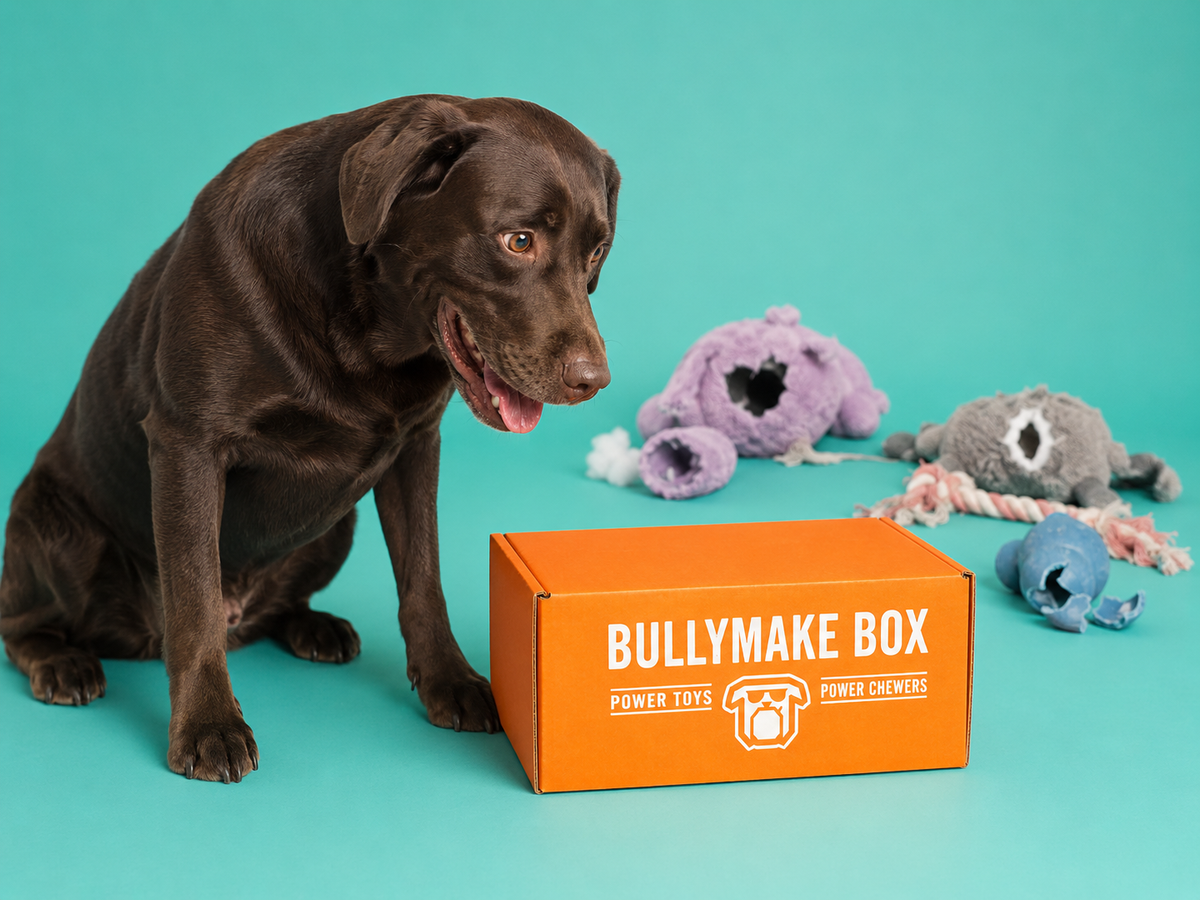
Wondering whether to get your dog a dog toy subscription or keep buying individual toys? In this blog we make the case for why a dog subscription adds value and convenience over time.
Learn why BULLYMAKE is a great gift idea for dogs!
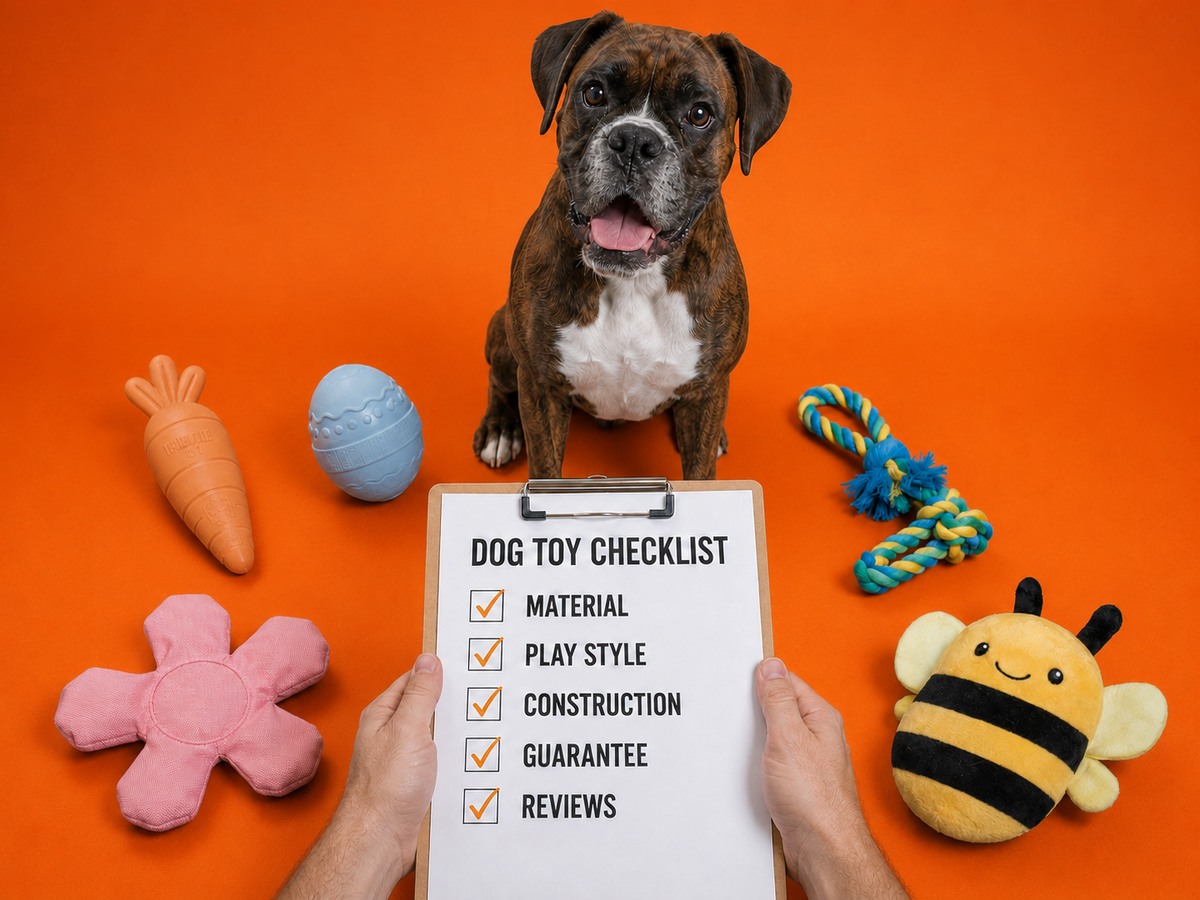
How do you know if a dog toy is truly durable? Follow our checklist to uncover the truth about your dog toy's durability!