What Are the Best Dog Toys for Dogs with Destructive Habits?
From nylon to durable rubber to rope and ballistic, this blog matches your dog's destructive habit to the best toy type.
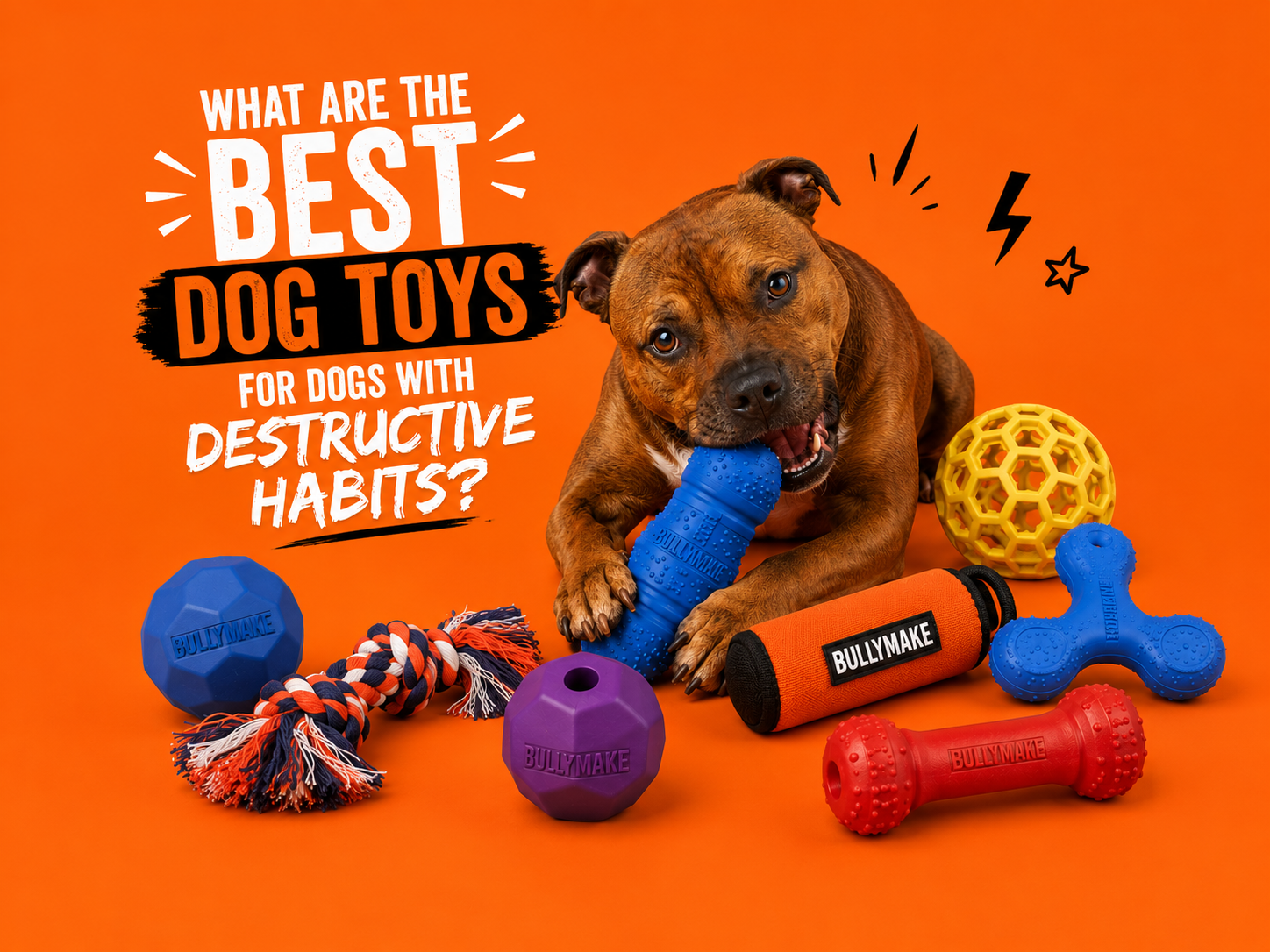
If your dog tears through toys, chews furniture, shreds blankets, or destroys household items when left alone, your dog may need a better outlet.
Destructive chewing is one of the most common behavioral challenges dog owners face. While chewing is a natural canine instinct, problems arise when dogs don't have toys that match their energy level, chewing intensity, or preferred play style.
The good news is that the right toy can redirect destructive behavior into a safer and more productive activity. The key isn't finding a single indestructible toy. It's matching the toy to the way your dog actually likes to play.
Why Dogs Develop Destructive Habits
Destructive behavior usually happens for one of these reasons:
- Boredom and lack of mental stimulation
- Excess physical energy
- Anxiety or stress
- Natural chewing instincts without appropriate outlets
- Breed predisposition
- Sudden stress such as environmental changes, fireworks, storms, etc.
Many dogs aren't trying to destroy your belongings. They're simply looking for something to do or are scared.
That's why having a combination of durable toys on hand coupled with enrichment opportunities and regular toy rotation is important for all dogs!
How to Match Your Dog's Destructive Habit to the Right Toy
Not every dog destroys toys the same way.
A dog that spends hours grinding on a chew toy needs something completely different from a dog that loves tug-of-war or one that chews because they're bored.
Quick-Reference: Destructive Habit-to-Toy Guide
| Destructive Habit | Behavior | Best Toy Type | Why It Helps |
|---|---|---|---|
| Destructive chewing | Gnawing on furniture legs, baseboards, shoes, rugs, or household objects | Nylon toys | Provides a durable outlet for natural chewing instincts while standing up to sustained gnawing and grinding. |
| Separation anxiety-related destruction | Scratching or chewing at door frames, window sills, blinds, crates, or entryways when left alone | Treat-dispensing rubber toys | Helps occupy dogs during alone time by providing mental stimulation and food-based enrichment. |
| Teething puppies | Chewing furniture, shoes, hands, cords, and other household items during teething stages | Rubber toys | Provides a safer outlet for sore gums while redirecting chewing toward appropriate objects. |
| Digging and nesting behaviors | Digging holes in the yard, pawing at carpets, or tearing up bedding and blankets | Treat-dispensing rubber toys | Encourages problem-solving and redirection while providing a productive outlet for excess energy. |
| Attention-seeking destruction | Shredding papers, stealing pillows, or chewing objects in front of you to provoke a reaction | Rope and ballistic toys | Creates opportunities for structured interactive play that fulfills a dog's desire for engagement and interaction. |
| Phobia-driven destruction | Extreme panic-induced damage such as tearing through drywall, breaking screens, scratching doors, or attempting to escape | Rubber enrichment toys | Food-stuffed toys can provide calming, distraction-based enrichment during stressful situations when paired with a behavior plan. |
| Pica (eating inedible objects) | Ingesting rocks, dirt, socks, plastic, or other non-food items | Durable nylon toys and veterinary guidance | Provides a safer chewing outlet, but persistent pica should always be evaluated by a veterinarian because it may indicate an underlying medical issue. |
| Multiple destructive behaviors | A combination of chewing, digging, shredding, boredom, and rough play behaviors | Rotating mix of toy types | Different toy styles address different instincts and help reduce boredom-driven destructive habits. |
Destructive Chewing
Destructive chewing is one of the most common behavior complaints among dog owners. Puppies often chew to relieve teething discomfort, while adult dogs may chew to relieve boredom, release excess energy, or satisfy a natural instinct to keep their jaws active.
Dogs that target furniture, shoes, baseboards, rugs, or household objects often need a more appropriate outlet for sustained chewing.
Durable nylon toys are often the best choice for these dogs because they provide the highest level of chewing resistance. Unlike plush toys or softer materials that can be destroyed quickly, nylon gives dogs a long-lasting outlet for repetitive gnawing and grinding behaviors.
- Nylon toys are particularly helpful for dogs that:
- Destroy plush toys immediately
- Chew furniture or woodwork
- Spend long periods chewing independently
- Need a durable outlet for persistent chewing instincts
Because nylon gradually wears down rather than tearing apart quickly, it often provides a safer and longer-lasting alternative to many conventional toy materials.
Separation Anxiety-Related Destruction
Some destructive behavior occurs only when a dog is left alone.
Dogs with separation anxiety may scratch at doors, chew window frames, damage blinds, or attempt to escape confined spaces. While toys alone cannot solve separation anxiety, enrichment can help provide a constructive activity during periods of isolation.
Treat-dispensing rubber toys are often useful because they redirect attention toward licking, chewing, and problem-solving rather than destructive behaviors.
Stuffing a durable rubber toy with:
- Kibble
- Wet food
- Peanut butter
- Pumpkin puree
can help occupy dogs during alone time while providing mental stimulation.
For severe separation anxiety, toy enrichment should be combined with a broader training and behavior modification plan.
Teething Puppies
Teething puppies explore the world with their mouths.
Between roughly three and six months of age, puppies often chew furniture, shoes, cords, hands, and other household items as adult teeth emerge and gums become irritated.
- Durable rubber toys provide a safer alternative because they offer gentle resistance while helping soothe sore gums.
- Many owners find that freezing rubber toys before use increases engagement while providing additional relief during intense teething periods.
The goal during teething is not to stop chewing but to redirect it toward appropriate objects.
Digging and Nesting Behaviors
Some dogs express destructive habits by digging rather than chewing.
Outdoor dogs may dig holes in the yard, while indoor dogs may paw at carpets, tear up bedding, or scratch blankets before settling down.
Digging can be driven by boredom, excess energy, instinctive nesting behaviors, or a desire to investigate scents and sounds.
- Treat-dispensing rubber toys can help redirect this energy by providing a productive outlet for exploration and problem-solving.
- Combined with exercise and enrichment, they often help reduce boredom-related digging behaviors.
Attention-Seeking Destruction
Dogs are incredibly effective at figuring out what gets a reaction.
Some dogs learn that shredding paper towels, stealing pillows, or chewing household objects immediately earns attention from their owners. Even negative attention can reinforce the behavior.
These dogs often benefit from more structured interaction throughout the day.
Rope and ballistic toys create opportunities for:
- Tug-of-war
- Fetch
- Carrying games
- Interactive play sessions
Regular owner-led play helps satisfy the dog's desire for engagement while reducing the temptation to create their own entertainment.
Phobia-Driven Destruction
Some destructive behavior is driven by fear in response to a specific trigger. Unlike separation anxiety, which occurs when a dog is left alone, phobia-driven destruction is typically associated with events such as thunderstorms, fireworks, construction noise, or other frightening situations.
Dogs experiencing a phobic response may panic and attempt to escape by scratching doors, damaging walls, breaking through screens, or chewing barriers. The destruction is often concentrated around the triggering event and may stop once the source of fear has passed.
While toys alone cannot solve phobia-related behaviors, enrichment can provide an additional coping mechanism during stressful situations.
- Stuffed rubber toys often work well because licking and chewing can have calming effects while helping redirect focus away from frightening stimuli.
Severe noise phobias should always be addressed with the help of a veterinarian or qualified behavior professional.
Pica (Eating Inedible Objects)
Pica occurs when dogs repeatedly ingest non-food items such as rocks, dirt, socks, plastic, wood, or other household objects.
Unlike most destructive behaviors, pica may indicate an underlying medical, nutritional, or behavioral issue.
- Durable nylon toys can sometimes provide a safer chewing outlet for dogs that constantly seek objects to chew. However, toys should not be viewed as the sole solution.
If your dog regularly eats non-food items, a veterinary evaluation is strongly recommended to identify any underlying causes.
Multiple Destructive Behaviors
Many dogs don't fit neatly into a single category.
A dog may chew furniture when bored, dig in the yard on weekends, and destroy toys through tugging and shaking.
These dogs are often the best candidates for a toy rotation system because no single toy type satisfies all of their needs.
A toy rotation that includes:
- Nylon toys for chewing
- Rubber toys for enrichment
- Rope toys for interactive play
- Ballistic toys for tugging
- Plush toys for carrying and comfort
helps satisfy multiple instincts while reducing boredom and keeping playtime engaging.
This is one reason many owners choose a subscription-based toy rotation. Regularly introducing new toy types and play experiences helps prevent dogs from becoming fixated on destructive outlets around the home.
Are Certain Breeds More Prone to Destructive Behavior?
While any dog can develop destructive habits, some breeds are more likely to engage in certain behaviors because of their genetics, energy level, and working background.
For example:
| Breed Type | Common Destructive Behavior |
|---|---|
| Terriers | Digging, shredding, intense chewing |
| Sporting breeds (Labs, Goldens) | Carrying, chewing, retrieving household items |
| Herding breeds (Border Collies, Australian Shepherds) | Boredom-related destruction when under-stimulated |
| Guardian breeds (German Shepherds, Cane Corsos) | Powerful chewing and object destruction |
| Northern breeds (Huskies, Malamutes) | Digging, escaping, and boredom-driven destruction |
| Bully breeds (Pit Bulls, American Bullies, Bulldogs) | Sustained chewing, tugging, and toy destruction |
However, breed alone doesn't determine behavior. A relaxed Labrador may never destroy a toy, while a highly motivated Dachshund may shred every toy in the house. Understanding your individual dog's play style, energy level, and motivations is usually more important than breed when choosing toys.
Why Toy Rotation Helps Reduce Destructive Behavior
One of the most overlooked solutions for destructive behavior is toy rotation.
Dogs often lose interest when the same toys remain available every day. Even durable toys can become less exciting when they're always present.
Rotating toys helps restore novelty and keeps dogs mentally engaged.
A simple rotation might include:
- One nylon chew toy
- One treat-dispensing rubber toy
- One tug toy
- One rope toy
- One plush toy
Keeping only a few toys available at a time and rotating them every few days helps prevent boredom and extends the life of each toy.
Why a Subscription Can Help Destructive Dogs
Dogs with destructive habits often benefit from regular novelty.
New toys provide new textures, shapes, scents, and play experiences that encourage exploration and engagement.
BULLYMAKE dog toy subscription box combines durable toy materials with ongoing toy rotation through monthly deliveries designed specifically for aggressive chewers.
Owners can customize toy preferences based on their dog's favorite play styles, including:
- Nylon
- Rubber
- Ballistic
- Rope
- Plush
This combination of durability, variety, and ongoing novelty helps many dogs stay engaged while reducing boredom-driven destruction.
Safety Tips for Destructive Chewers
Even durable toys require supervision and regular inspection.
Follow these guidelines:
- Inspect toys regularly for wear and damage.
- Remove toys that develop cracks, sharp edges, or loose pieces.
- Supervise new toys until you understand your dog's chewing style.
- Rotate toys regularly to maintain novelty.
- Store supervised-play toys when not in use.
- Remove heavily worn toys before they become safety hazards.
No toy is truly indestructible. The goal is safe, controlled wear and appropriate outlets for chewing behavior.
Final Thoughts
The best toy for a destructive dog isn't necessarily the toughest toy. It's the toy that matches the dog's specific behavior.
Some dogs need durable nylon for relentless chewing. Others need treat-dispensing enrichment, interactive tug games, or comfort-focused play. Understanding why your dog destroys toys is often the first step toward finding a solution that lasts.
For many owners, combining multiple toy types and rotating them regularly provides the most effective way to reduce destructive behavior and keep dogs mentally and physically engaged.
Frequently Asked Questions
What are the best dog toys for dogs with destructive habits?
The best options are dense nylon toys for solo power chewers, thick rubber treat-dispensing toys for mental redirection, ballistic fabric for supervised tug play, and cotton rope for interactive sessions. Matching material to your dog's specific behavior is the key (see the decision table above). BULLYMAKE offers multiple toy materials designed specifically for destructive chewers, making it easier to match toys to different play styles and chewing habits.
Can treat-dispensing toys reduce destructive chewing?
Yes. Stuffing a rubber toy with food and freezing it can extend a single session to 20–30 minutes, keeping a dog mentally occupied and far less likely to redirect chewing to furniture or shoes. Multiple sources cite mental stimulation as one of the most effective strategies for curbing destructive behavior. Many BULLYMAKE rubber toys can be stuffed with treats to provide both enrichment and long-lasting chewing satisfaction.
How can I stop my dog from destroying toys so quickly?
Start by matching the toy to your dog's specific destructive habit. Dogs that grind and gnaw often need durable nylon toys, while boredom chewers may benefit more from treat-dispensing rubber toys and enrichment activities. Toy rotation and regular novelty can also help reduce destructive behavior. Many owners of heavy chewers find that purpose-built toys from brands like BULLYMAKE last significantly longer than standard pet store toys.
What enrichment toys are best for dogs that chew aggressively?
Treat-dispensing rubber toys are often the best enrichment toys for aggressive chewers because they combine durability with mental stimulation. Stuffing a rubber toy with kibble, wet food, peanut butter, or pumpkin puree encourages problem-solving and can keep dogs occupied significantly longer than traditional chew toys. For dogs that become bored easily, rotating enrichment toys regularly can further increase engagement. BULLYMAKE's durable rubber enrichment toys are designed to withstand aggressive chewing while supporting longer-lasting mental stimulation.
Next Steps: Help Your Dog Find a Better Outlet
Destructive behavior rarely disappears overnight, but with patience, training, enrichment, and the right toys, most dogs can learn healthier ways to channel their energy and instincts. Matching toys to your dog's specific habits is often the first step toward fewer destroyed belongings and more productive play.
For dogs that need variety and durability, a BULLYMAKE subscription provides a rotating mix of tough toys designed to keep destructive chewers engaged, challenged, and entertained.
You might also be interested in...
Wondering whether to get your dog a dog toy subscription or keep buying individual toys? In this blog we make the case for why a dog subscription adds value and convenience over time.
Learn why BULLYMAKE is a great gift idea for dogs!
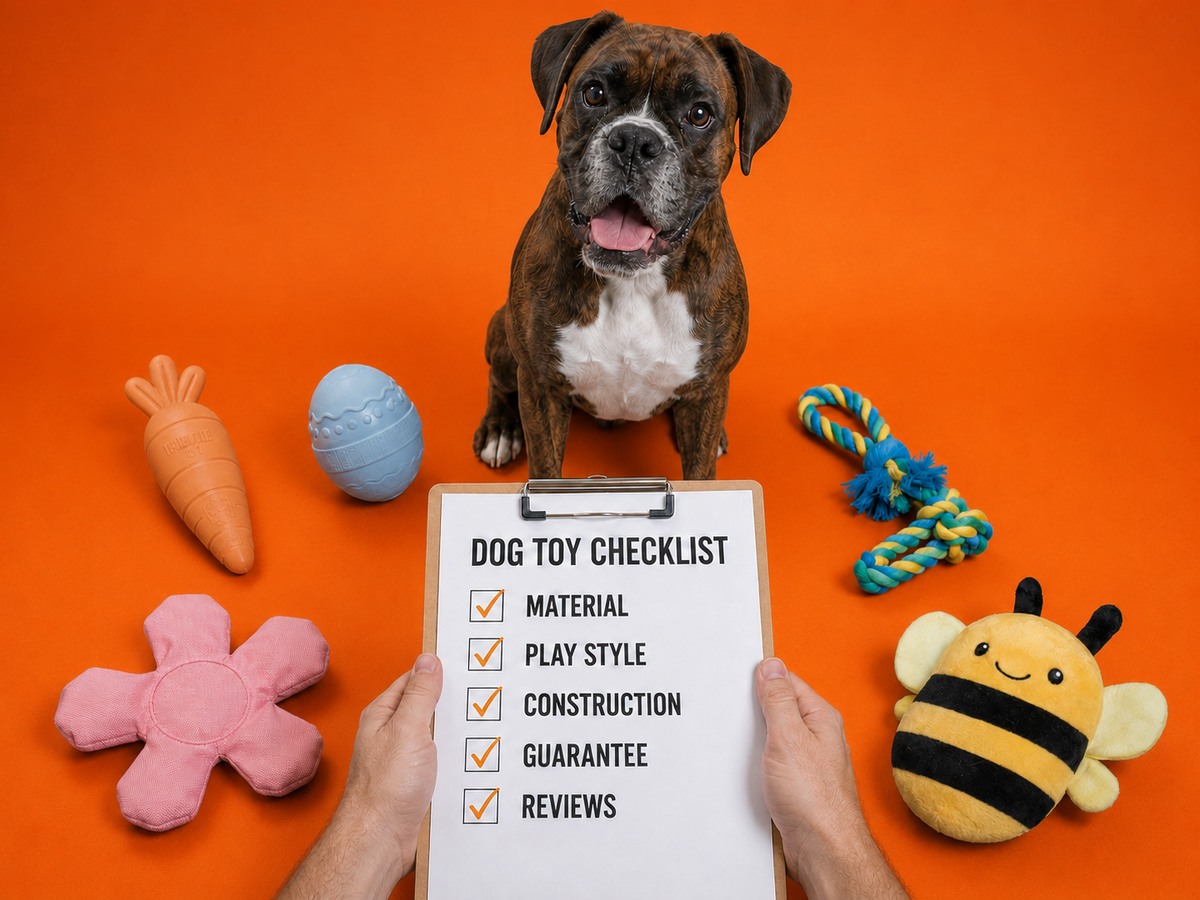
How do you know if a dog toy is truly durable? Follow our checklist to uncover the truth about your dog toy's durability!