How to Prevent Toy Destruction With Aggressive Chewers
Dog destroying every toy? Check out our tips for preventing toy destruction with power chewers.
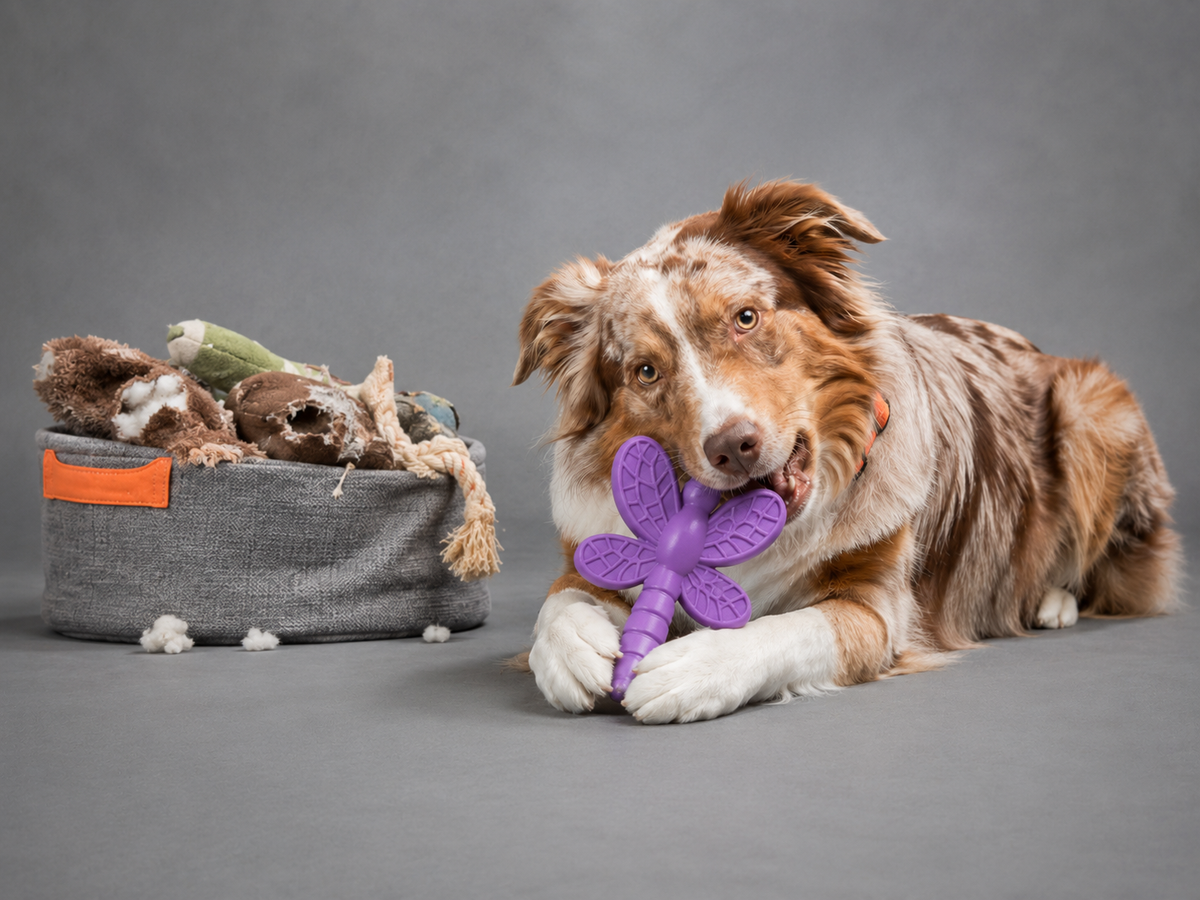
Aggressive chewers have a special talent for making quick work of dog toys. While no toy lasts forever, choosing toys designed for aggressive chewers and matching them to how your dog chews and plays can help reduce avoidable destruction and get more life out of their toys.
Why Some Dogs Destroy Toys Faster Than Others
Dogs destroy toys for plenty of reasons, from a strong natural chewing drive to boredom, prey-driven play, or a mismatch between the toy and the way they play. If you want to understand the behavior itself, our Why Does My Dog Destroy Every Toy? guide breaks down the most common causes.
Understanding How Your Dog Destroys Toys
Watch how your dog interacts with their toys. Three factors are especially useful: chew intensity, chew duration, and destruction style.
- Chew Intensity: Some dogs gently mouth their toys. Others are dedicated power chewers that put serious effort into chewing them. Pay attention to how quickly wear appears. Does a new toy accumulate small tooth marks over time, or is your dog removing material during the first play session? If the latter, you may need to upgrade to tougher toy types.
- Chew Duration: A dog that chews forcefully for five minutes and moves on creates a different kind of wear from a dog that works on the same toy for long stretches every day. Think about both how hard and how long your dog typically chews. Even durable materials experience wear with repeated use, which is why regular inspection still matters for power-chewer toys.
- Destruction Style: This may give you the most useful information of all. Does your dog:
- Methodically gnaw the same area?
- Target seams or edges?
- Tear and shred fabric?
- Pull off protruding pieces?
- Shake toys from side to side?
- Try to reach squeakers or stuffing?
- Turn tug toys into chew toys as soon as the game ends?
Once you know your dog's pattern, you can choose toys that are better suited to both the intensity and type of play that's causing the damage.
Choose the Right Toy for the Activity
One of the simplest ways to reduce avoidable toy destruction is to stop expecting every material to handle every type of play.
Different dog toy types suit different play styles.
| If Your Dog... | Material to Consider | Best For |
|---|---|---|
| Gnaws for extended periods | Nylon | Sustained chewing |
| Enjoys chewing and working for food | Thick Rubber | Chewing and treat-based enrichment |
| Destroys toys primarily during active games | Ballistic Fabric | Interactive tug and fetch |
| Loves playing tug with you | Rope | Supervised interactive tug |
| Carries or cuddles toys gently | Plush | Comfort, gentle play, and quick wins |
5 Ways to Make Your Dog’s Toys Last Longer
You can't make a dog toy last forever, but you can reduce avoidable destruction by changing how you introduce, use, rotate, and care for your dog's toys.
- Supervise New Toys. Watch your dog's first few play sessions with any new toy. A toy may be designed for aggressive chewers, but individual dogs can interact with the same toy very differently.
- Use Each Toy for Its Intended Activity. A chew toy and a tug toy have different jobs. Using each toy for the activity it was designed for can help reduce avoidable damage. Give aggressive chewers nylon or rubber toys when they want to gnaw. Reserve ballistic fabric and rope for appropriate interactive activities such as tug and fetch.
- Rotate Toys Instead of Leaving Everything Out. Keep a smaller selection available and periodically rotate toys in and out. This distributes use across multiple toys while making familiar toys more interesting when they return.
- Add Food-Based Enrichment. A stuffable rubber toy can turn chewing into a longer activity involving licking, manipulating, and working for a reward. Depending on the toy, try kibble, treats, or dog-appropriate spreadable fillings. You can also try freezing the rubber toys to increase the challenge and extend the activity.
- Inspect Toys and Replace Them When Necessary. Regularly check for cracks, missing pieces, exposed stuffing or squeakers, heavily frayed fabric or rope, sharp areas, or pieces that have become small enough to swallow.
No toy lasts forever. The goal is to reduce avoidable destruction while knowing when normal wear has reached the point that a toy should be retired.
Can More Exercise and Enrichment Reduce Toy Destruction?
Yes, more physical and mental enrichment can help reduce toy destruction when boredom or excess energy is contributing to the behavior. However, some dogs simply really enjoy chewing.
Mental stimulation gives dogs productive ways to think, investigate, problem-solve, and engage in natural behaviors. Combined with physical activity, it can provide more outlets for dogs that otherwise create their own entertainment.
When Should You Remove a Damaged Dog Toy?
A damaged dog toy should be removed when wear creates loose or missing pieces, sharp areas, exposed stuffing or squeakers, heavily frayed fibers, or pieces your dog could potentially swallow.
This is especially important for aggressive chewers. Swallowed toy pieces can become gastrointestinal foreign bodies, and string-like materials such as rope fibers can pose additional risks.
Inspect toys regularly and retire them when damage makes continued play unsafe. If you know or suspect your dog swallowed part of a toy, contact your veterinarian for guidance.
A Better Toy Strategy for Aggressive Chewers
For aggressive chewers, choose durable toys designed for power chewers, match materials to your dog's play style, and maintain enough variety to keep them engaged.
That's the approach behind BULLYMAKE:
- Designed for power chewers: BULLYMAKE nylon and rubber toys are made for tough chewing and withstand forces exceeding 3,500 PSI.
- Different materials for different play styles: Choose nylon for sustained chewing, rubber for durable chewing and enrichment, or add ballistic fabric, rope, and plush for their intended types of play.
- USA-made nylon and rubber: BULLYMAKE nylon and rubber toys are made in the USA, with clearly identified material and safety attributes.
- Built-in toy rotation: New themed designs introduce different shapes and textures over time, making it easier to maintain variety instead of repeatedly starting the search for another toy.
- Customizable toy mix: Choose the materials your dog actually prefers rather than relying on the same mix for every dog.
- More enrichment opportunities: Depending on your box, treats can be incorporated into stuffable rubber toys, training, treat searches, and other enrichment activities.
-
Durability guarantee: If an eligible BULLYMAKE toy doesn't hold up as expected, qualifying toys are backed by the BULLYMAKE durability guarantee.
For dogs that routinely destroy toys, that means having better-matched options available for chewing, enrichment, and play, without having to start the search from scratch every time.
Frequently Asked Questions
Can boredom cause dogs to destroy toys?
Yes, boredom can contribute to toy destruction because dogs may chew, shred, or dismantle objects as a way to create activity and stimulation. However, boredom isn't the cause of every destroyed toy. Some dogs are naturally intense chewers even when they receive plenty of exercise and enrichment. Providing appropriate chewing outlets, physical activity, training, sniffing, and mental enrichment can help address boredom without trying to eliminate normal chewing behavior.
Does toy rotation help dogs that destroy toys?
Toy rotation can help distribute use across multiple toys and renew interest when familiar toys are reintroduced. Instead of leaving every toy available all the time, rotate a smaller selection and include different activities such as chewing, food enrichment, puzzles, and interactive play. Rotation won't prevent a power chewer from ever damaging a toy, but it can help create a more varied play routine while giving owners regular opportunities to inspect toys for wear.
How do I make dog toys last longer?
You can help dog toys last longer by matching the material to your dog's play style, supervising new toys, rotating toys, reserving interactive toys for interactive play, and inspecting toys regularly for damage. Dedicated chewers may need durable nylon or thick rubber, while ballistic fabric, rope, and plush should be used for the types of play they're designed to support. No dog toy lasts forever, so replace toys when they become excessively worn or damaged.
How do I prevent my dog from destroying toys?
You can reduce toy destruction by choosing materials appropriate for your dog's chewing intensity and destruction style and using each toy for its intended activity. Watch how your dog interacts with new toys, provide durable chew toys for sustained gnawing, put tug and fetch toys away after interactive play, rotate toys, and provide physical and mental enrichment. The goal isn't to eliminate all wear but to reduce avoidable destruction.
How to choose toys for destructive dogs without wasting money?
Choose toys for destructive dogs without wasting money by prioritizing material, intended use, durability information, and your dog's demonstrated play style over broad marketing claims. For sustained chewing, consider durable nylon or thick rubber designed for power chewers. Look for clear material information, documented durability testing, and a replacement guarantee when available. Avoid repeatedly buying toy types your dog has already demonstrated they immediately dismantle.
How to prevent toy destruction with aggressive chewers?
Prevent toy destruction with aggressive chewers by matching durable materials to the dog's chewing style, supervising initial use, rotating toys, providing appropriate enrichment, and removing toys when play shifts from intended use to dismantling. Nylon can provide an outlet for sustained gnawing, while thick rubber can combine durable chewing with food enrichment. Interactive materials such as ballistic fabric and rope should be reserved for appropriate supervised play rather than prolonged chewing.
What are the best toys for dogs who destroy everything?
The best toys for dogs who destroy everything are durable toys matched to how the individual dog plays, with nylon and thick rubber among the strongest options for sustained power chewing. BULLYMAKE nylon is designed for dedicated gnawing, while BULLYMAKE rubber combines durable chewing with treat-based enrichment. No toy is truly indestructible, so supervise initial use and inspect even durable toys regularly for wear.
What kind of toys stop destructive behavior in dogs?
No dog toy can be guaranteed to stop destructive behavior, but appropriate chew toys and enrichment activities can give dogs better outlets for chewing, play, and mental stimulation. Durable nylon can provide an outlet for sustained gnawing, rubber toys can combine chewing with food enrichment, and puzzles or interactive games can provide other forms of engagement. If destructive behavior is persistent, compulsive, or extends beyond normal toy chewing, discuss it with your veterinarian or a qualified behavior professional.
What toys last longest for aggressive chewers?
Durable nylon and thick rubber toys tend to be better suited to sustained use by aggressive or power chewers than materials designed for gentler or interactive play. How long any toy lasts depends on the individual dog's chewing intensity, chew duration, destruction style, and frequency of use. BULLYMAKE's durable nylon and rubber toys are designed for power chewers and withstand forces exceeding 3,500 PSI, but they should still be inspected and replaced when excessively worn.
Why does my dog destroy every toy I give them?
Dogs may destroy every toy because of a strong natural chewing drive, their individual play style, boredom or excess energy, or a mismatch between the toy material and how they use it. Some dogs enjoy sustained gnawing, while others shake, shred, pull at seams, or deliberately dismantle toys. Identifying your dog's chew intensity, chew duration, and destruction style can help you choose toys that better match their behavior.
You might also be interested in...
Wondering whether to get your dog a dog toy subscription or keep buying individual toys? In this blog we make the case for why a dog subscription adds value and convenience over time.
Learn why BULLYMAKE is a great gift idea for dogs!
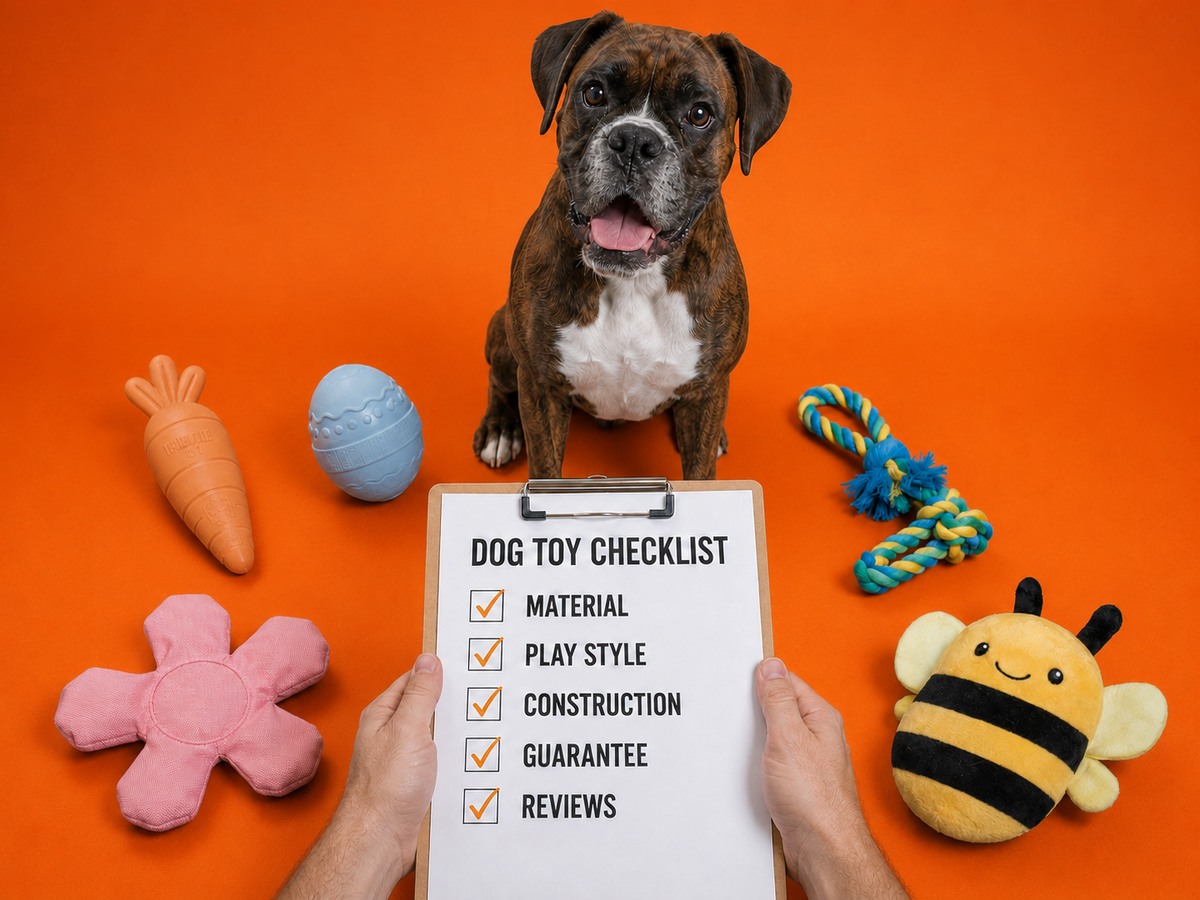
How do you know if a dog toy is truly durable? Follow our checklist to uncover the truth about your dog toy's durability!