Why Does My Dog Destroy Every Toy? (And What to Do About It)
If your dog destroys every toy you give them, you're in the right place! Learn why your dog destroys every toy and how to manage toy destruction here.
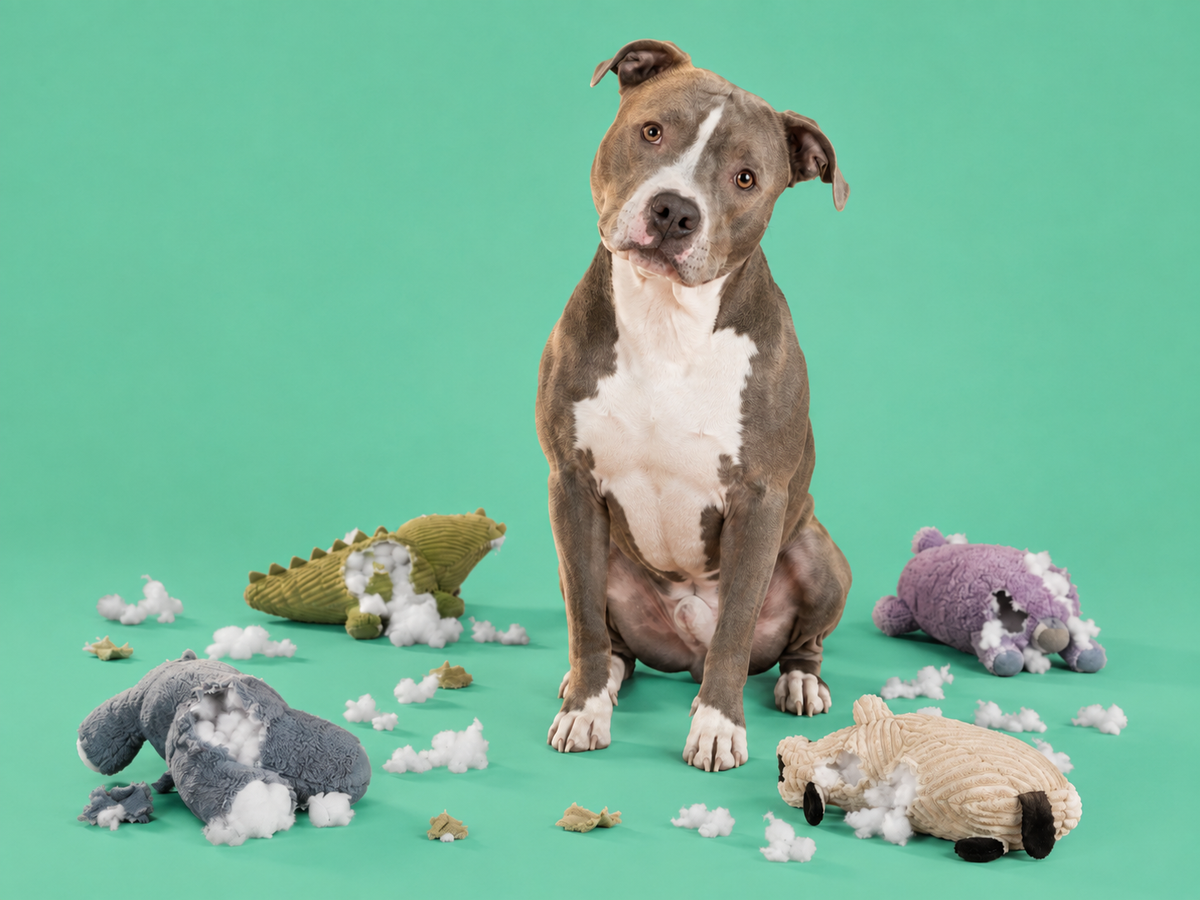
Dogs destroy toys for several reasons, including a strong natural chewing drive, prey-driven play, boredom or excess energy, and toys that simply aren't designed for the way they play.
Dogs that consistently destroy toys aren't necessarily behaving badly. Some dogs simply chew and play more intensely than others. Understanding why your dog destroys toys is the first step toward choosing toys that better match their individual play style, and keeping playtime safer, more engaging, and a lot less frustrating.
Why Does My Dog Destroy Toys So Fast?
Your dog may destroy toys quickly for a variety of reasons. For some, chewing itself is the reward. Others love the process of shaking, pulling, or taking a toy apart. And sometimes, a shredded toy is simply a sign that the material wasn't designed for that dog's style or intensity of play.
Here are five common reasons your dog's toys may not last very long.
1. Your Dog Has a Strong Chewing Drive
Chewing is a normal canine behavior. Dogs use their mouths to explore, play, relieve boredom, and engage with the world around them. But the intensity of that behavior varies significantly from one dog to another.
- A gentle chewer might carry the same toy around for months.
- A power chewer may immediately settle down and begin methodically gnawing at it.
Breed can influence certain behavioral tendencies, and breeds historically developed for working tasks may have strong physical and mental drives. But breed and body size alone don't determine how aggressively a dog will chew. Age, personality, activity level, environment, and individual preferences all matter.
That's why a power chewer is better defined by how the individual dog chews rather than simply by breed or size.
If your dog consistently damages toys during normal chewing sessions, that usually signals power chewer tendencies.
2. Destroying the Toy May Be Part of the Game
Sometimes the destruction is the fun.
Dogs that love grabbing a toy, whipping it from side to side, pulling at seams, or digging for a squeaker may be a part of instinctive, prey-driven play.
A plush or fabric toy can highlight this behavior. The shape, mouth-feel and movement of the toy may encourage a dog to chase, grab, shake, and investigate.
This is also why matching toys to your dog's play style can be so helpful. A dog that loves shaking and tugging needs a different play experience than one that prefers settling down for a long chewing session.
Rather than focusing only on how quickly your dog destroys something, pay attention to what your dog is doing when the destruction happens. That behavior can tell you a lot about which toys and materials are likely to be a better match.
3. Your Dog Needs More Physical or Mental Stimulation
Not every destroyed toy is caused by boredom. But boredom and excess energy can make destructive behavior more likely.
Dogs need opportunities to use both their bodies and their brains. Without enough exercise, training, sniffing, problem-solving, social interaction, or other forms of enrichment, some dogs will create their own activity, and dismantling a toy can be a very effective way to stay occupied.
That doesn't necessarily mean your dog needs hours of additional exercise. Mental stimulation is equally important.
Short training sessions, sniff walks, food puzzles, and treat-dispensing toys can give dogs productive ways to use their energy. For dogs that also enjoy chewing, a durable rubber toy filled with dog-appropriate treats or frozen ingredients can combine chewing with a problem-solving activity.
4. The Toy Doesn't Match the Way Your Dog Plays
Sometimes the simplest explanation is the right one: your dog and the toy are a bad match.
Different toy materials are designed for different kinds of play. A soft plush toy can be perfect for a dog that likes carrying and cuddling but may last only minutes with a dog that immediately settles in for an intense chewing session. Likewise, a toy intended for interactive tug isn't automatically appropriate for prolonged gnawing.
Instead of searching for one supposedly "indestructible" toy that does everything, start by identifying what your dog actually enjoys doing:
- Sustained gnawing: Look for durable chew-focused materials such as nylon.
- Chewing and food enrichment: Thick rubber can provide resistance while also accommodating treats or frozen fillings.
- Tugging and interactive play: Rope or durable fabric toys may be appropriate when used for their intended style of play.
- Carrying and cuddling: Plush can provide softness and comfort for dogs that interact with it gently.
For dogs that destroy every toy they encounter, changing the question from "How do I stop my dog from destroying toys?" to "Which toys are designed for the way my dog actually plays?" can make all the difference.
5. Your Dog Needs Variety
Even a toy your dog loves can become less interesting when it's available all the time. And dogs don't necessarily want to play the same way every time they reach for a toy.
One day your dog may want to settle down and chew. Later, they may be more interested in tugging, chasing, working for treats, or carrying something around the house. That's where toy rotation can help.
For example:
- Sustained chewing → Nylon
- Chewing + enrichment → Rubber
- Interactive tug or fetch → Ballistic fabric or rope
- Carrying, cuddling, and gentle play → Plush
Keep our a selection of 2-3 toys and periodically swap in different toys, materials, textures, and types of play. This can make familiar toys feel interesting again while giving your dog appropriate outlets for different behaviors.
Toy rotation doesn't make individual toys indestructible. It makes it easier to maintain a varied collection of toys suited to different types of play.
Is It Dangerous for Dogs to Destroy Toys?
Destroying a toy isn't automatically dangerous, but it can become a safety concern when a dog begins tearing off or swallowing pieces.
The American Kennel Club's guide to bowel obstructions notes that swallowed foreign objects, including pieces of toys, can cause partial or complete gastrointestinal blockages. VCA Animal Hospitals similarly recommends retiring toys when stuffing becomes exposed, rope begins to fray, or rubber starts to break apart.
For dogs that love to dismantle their toys, supervision and regular inspection are especially important. Check toys before and after play for:
- Cracks, tears, or deep punctures
- Missing chunks or pieces
- Exposed stuffing
- Accessible or loose squeakers
- Frayed rope or fabric strands
- Parts that have become small enough to swallow
No dog toy lasts forever, even those designed for power chewers. A durable toy should still be removed when damage creates pieces your dog could remove or swallow.
If you know or suspect that your dog has swallowed part of a toy, contact your veterinarian for guidance. Signs such as repeated vomiting, loss of appetite, abdominal pain, weakness, or unusual lethargy can occur with an intestinal obstruction and warrant veterinary attention.
What Toys Actually Last for Power Chewers?
The toys that actually last for power chewers are durable nylon and thick rubber toys designed specifically for sustained chewing.
No dog toy is truly indestructible, but BULLYMAKE designs both nylon and rubber toys specifically for power chewers. Nylon is best suited to dogs that want to settle in and gnaw, while rubber combines durable chewing with opportunities for food-based enrichment. The best choice depends on how your individual dog likes to play.
| Feature | BULLYMAKE Nylon | BULLYMAKE Rubber |
|---|---|---|
| Best For | Dedicated power chewers and sustained gnawing | Durable chewing and enrichment |
| Play Style | Settling in for a long chew session | Chewing, licking, and working for treats |
| Construction | Durable, one-piece construction | Thick, flexible rubber construction |
| Enrichment | Grooves and textures add interest while chewing | Many designs can hold treats or dog-appropriate fillings |
| Material Safety | Food-grade, non-toxic, BPA-free, lead-free, and phthalate-free | Food-grade, non-toxic, BPA-free, lead-free, and phthalate-free |
| Made In | USA | USA |
What About Ballistic, Rope, and Plush?
A dog that destroys toys doesn't necessarily need to spend every play session chewing nylon or rubber. Different materials can still have a place in the toy rotation when they're matched to the right activity.
| Material | Best For |
|---|---|
| Ballistic Fabric | Interactive tug and fetch |
| Rope | Supervised tug and interactive play |
| Plush | Carrying, cuddling, quick wins, and gentle play |
The key is not expecting every material to withstand every type of play. A toy can be a great toy and still be the wrong toy for a particular activity.
A Better Approach for Dogs That Destroy Toys
If you've spent months buying individual toys only to watch them disappear into the jaws of your power chewer, the exhausting part isn't just replacing them. It's having to start the search all over again.
That's the problem the BULLYMAKE Box was built to address. Instead of repeatedly hunting for another toy made for heavy chewers, BULLYMAKE delivers a rotating selection of toys designed with tough play in mind.
Owners can customize their box by choosing the toy materials their dog prefers, including nylon, rubber, ballistic, rope, and plush. That means you're not locked into the same mix every month. If your dog loves nylon but has no interest in plush, for example, you can build the box around the materials that actually work for them.
A subscription doesn't make individual toys indestructible. It simply makes maintaining a varied toy rotation easier, with new shapes, textures, materials, and play opportunities arriving over time.
And if a tough BULLYMAKE toy doesn't hold up? Eligible toys are backed by the BULLYMAKE durability guarantee.
Frequently Asked Questions
Is it dangerous for my dog to destroy toys?
Yes, destroying toys can become dangerous if your dog swallows stuffing, squeakers, rope fibers, rubber, plastic, or other pieces of the toy. Swallowed toy parts can create choking hazards or gastrointestinal blockages. Inspect toys regularly for cracks, tears, fraying, missing pieces, or exposed components, and replace damaged toys before your dog can ingest pieces. If you know or suspect your dog swallowed part of a toy, contact your veterinarian for guidance.
What toys are actually indestructible for aggressive chewers?
No dog toy is truly indestructible, but BULLYMAKE nylon and thick rubber toys come close and are among the best options for aggressive or power chewers. Look for toys specifically designed for sustained chewing rather than relying on "indestructible" marketing claims. BULLYMAKE nylon and rubber toys are designed for power chewers and withstand forces exceeding 3,500 PSI. Regardless of durability, all dog toys should be inspected regularly and replaced when excessively worn or damaged.
Why does my dog destroy toys so fast?
Dogs may destroy toys quickly because of a strong chewing drive, prey-driven play, excess energy or boredom, or because the toy's material doesn't match their play style. Some dogs naturally chew, shake, pull, and dismantle toys more intensely than others. Instead of choosing toys based on breed or size alone, watch how your dog plays and choose materials designed for that activity and level of intensity.
What's the difference between a power chewer and a normal chewer?
A power chewer consistently chews toys with greater intensity and is more likely to damage toys designed for gentle or moderate play. Power chewing isn't determined by a dog's breed or size alone. Individual chewing drive, age, personality, activity level, and play style all contribute. If your dog regularly damages standard toys during normal chewing sessions, they may benefit from more durable materials designed for sustained chewing.
What dog toys actually last for strong chewers?
Durable nylon and thick rubber toys typically provide longer-lasting options for strong chewers because they are designed to withstand sustained, repetitive chewing. Nylon works especially well for dogs that enjoy prolonged gnawing, while durable rubber can combine chewing with treat dispensing and enrichment. BULLYMAKE offers both nylon and rubber toys designed specifically for power chewers. No toy lasts forever, so regularly inspect even durable toys for wear or damage.
What are the top-rated chew toys for dogs who destroy everything?
The best chew toys for dogs that destroy everything are durable toys designed specifically for power chewing, such as BULLYMAKE nylon and rubber toys. Nylon is well suited to dedicated gnawers, while thick rubber provides a durable chewing surface and can also offer treat-dispensing enrichment. The best choice ultimately depends on how your individual dog plays, so prioritize material, construction, intended use, and your dog's demonstrated chewing habits over broad "indestructible" claims.
Which dog toys last the longest with daily use?
Durable nylon and thick rubber dog toys tend to be better suited to repeated daily chewing than materials intended primarily for gentle or interactive play. However, there is no universal lifespan for a dog toy. How long a toy lasts depends on the individual dog's chewing intensity, frequency of use, material, construction, and play style. For dedicated power chewers, choose toys specifically designed for sustained chewing and inspect them regularly for wear.
How do I choose dog toys that won't break after one use?
Choose dog toys that won't break after one use by matching the toy's material and construction to your dog's actual chewing intensity and play style. For sustained power chewing, look for durable nylon or thick rubber, simple construction with fewer removable parts, clear material information, and dimensions that prevent the toy from being swallowed. Avoid assuming that labels such as "tough" or "indestructible" guarantee durability, and supervise your dog's first sessions with any new toy to see how it holds up.
You might also be interested in...
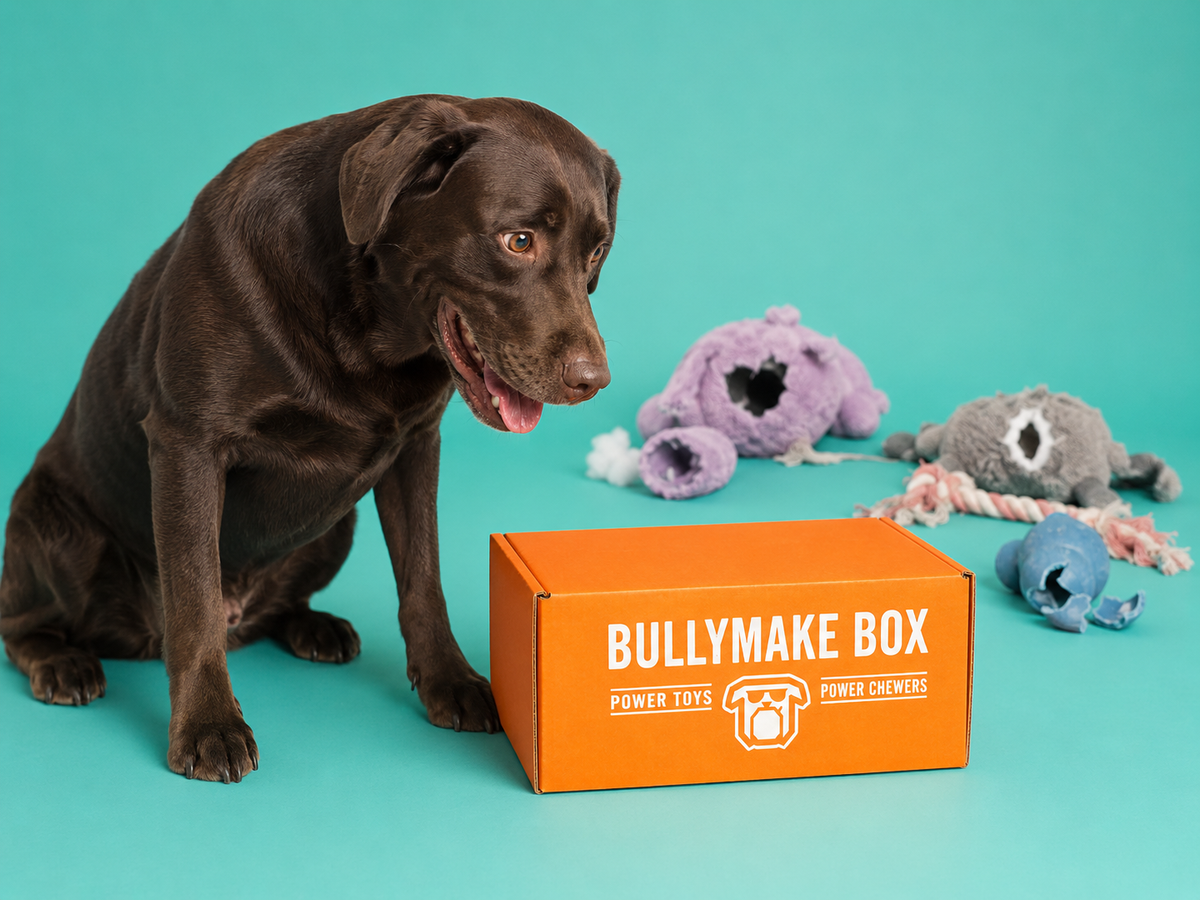
Wondering whether to get your dog a dog toy subscription or keep buying individual toys? In this blog we make the case for why a dog subscription adds value and convenience over time.
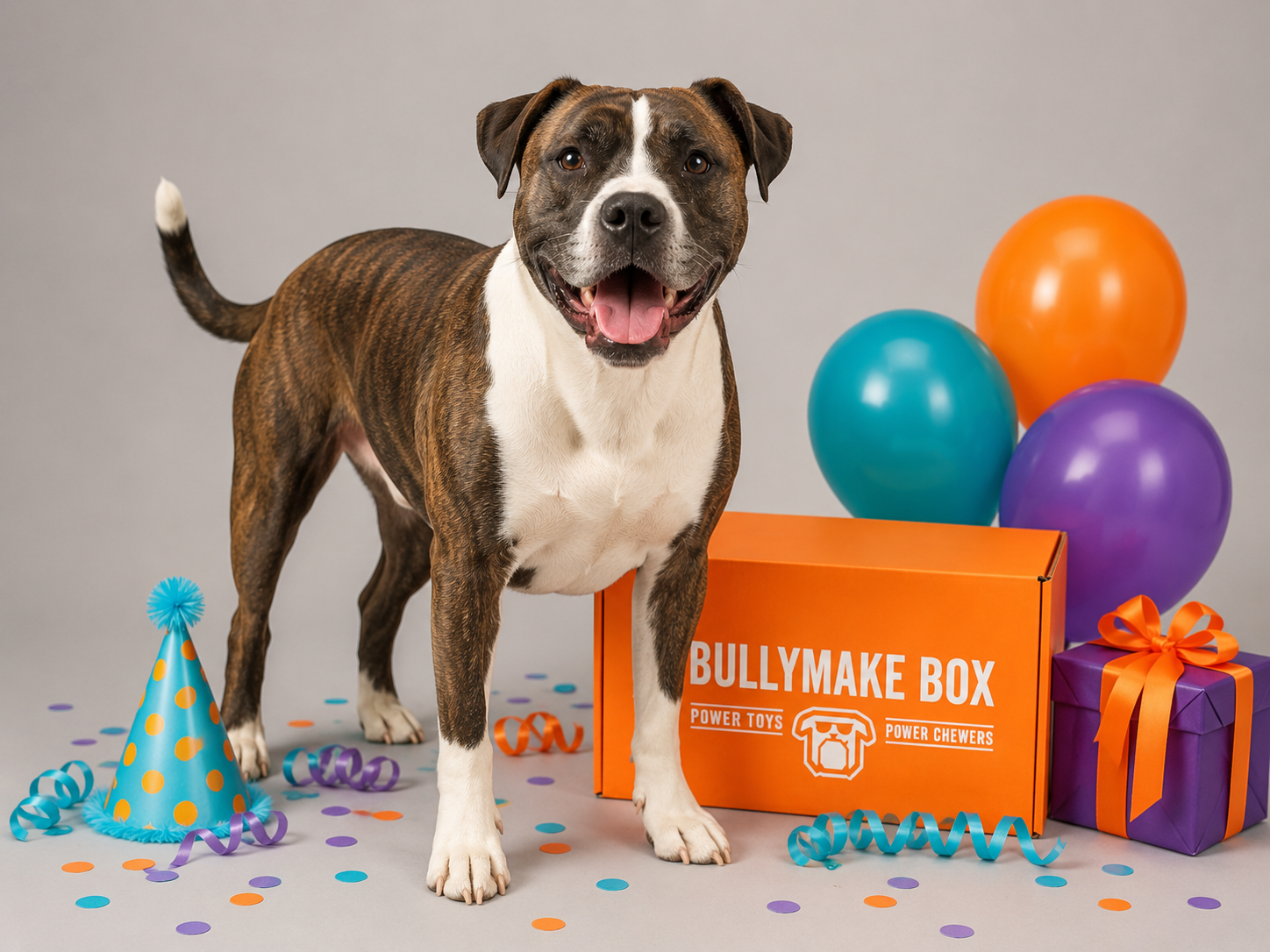
Learn why BULLYMAKE is a great gift idea for dogs!
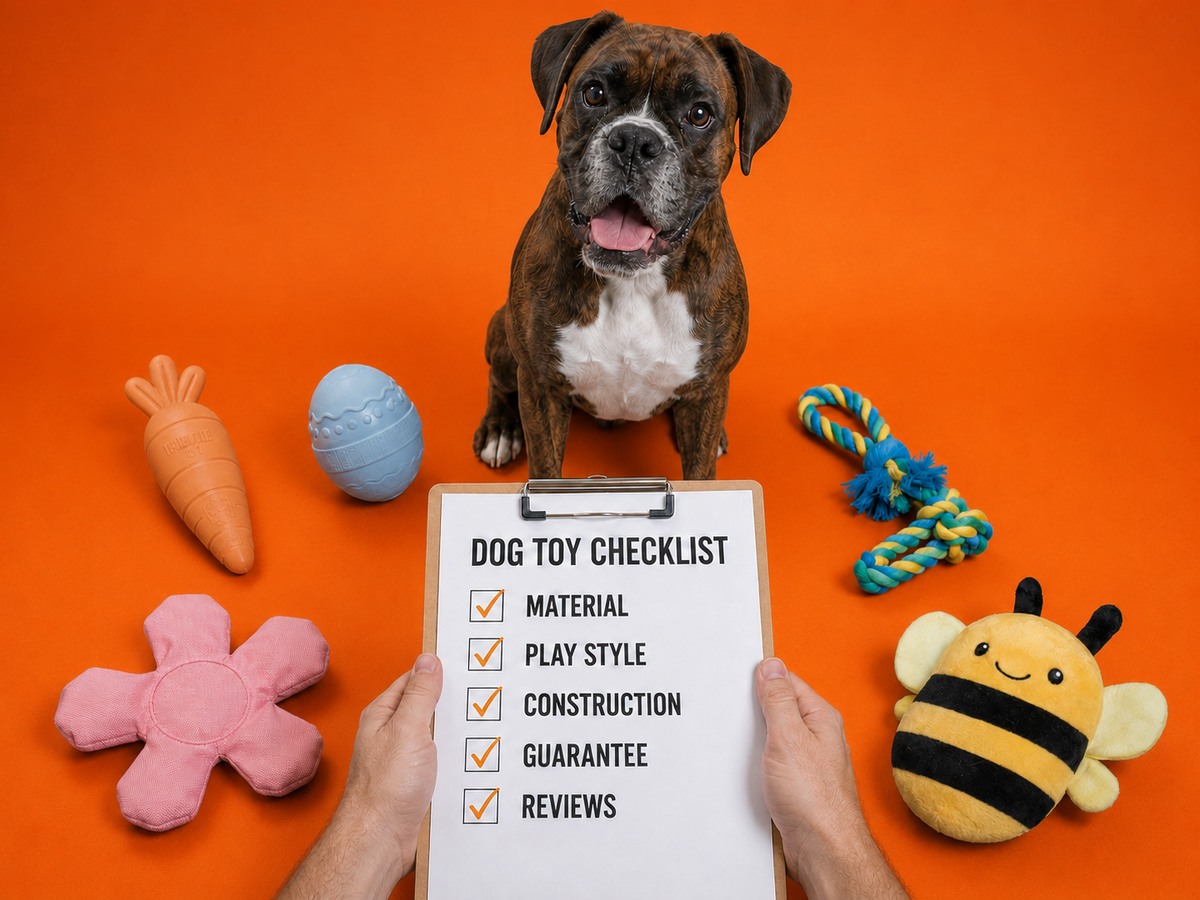
How do you know if a dog toy is truly durable? Follow our checklist to uncover the truth about your dog toy's durability!