The Dog Breeds Most Likely to Become Destructive (and Why)
Breed isn't destiny. While breed gives you clues into your dog's behavior, most destructive dogs just need the right outlet!
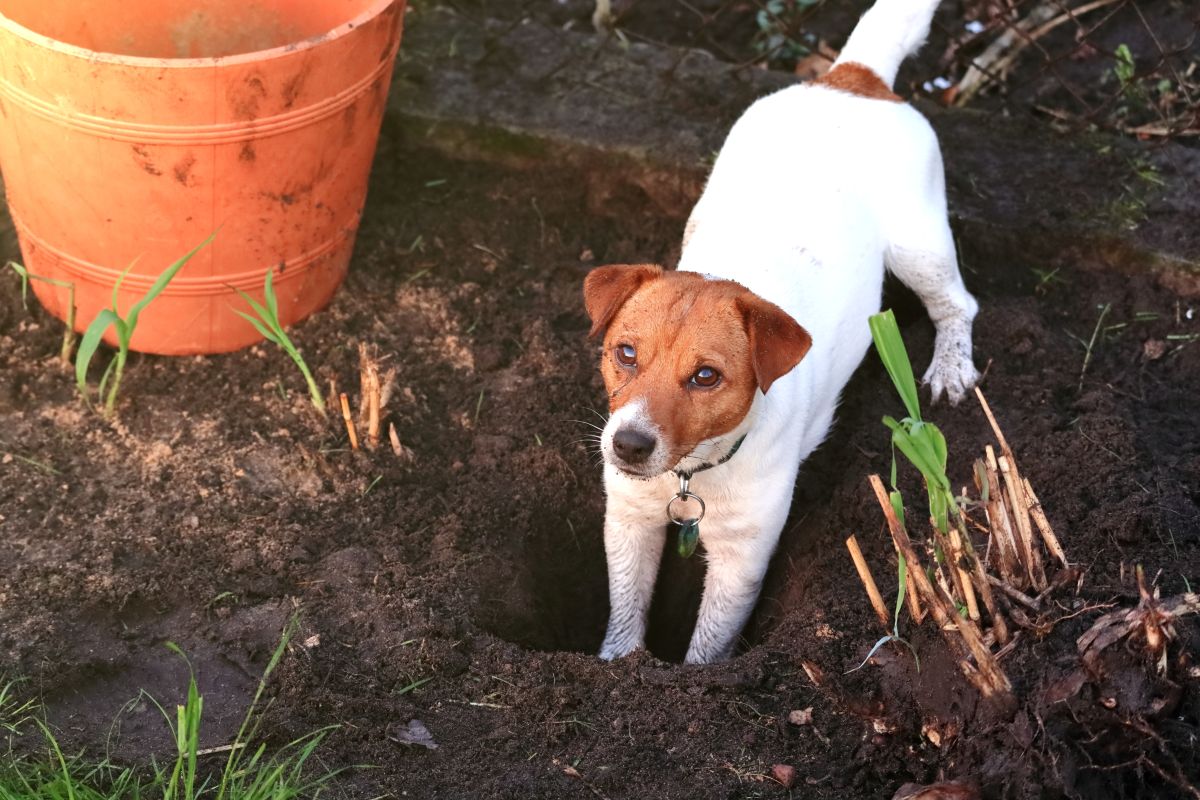
Some dog breeds are more likely to chew, dig, shred, or destroy household items, but usually they're expressing the instincts they were bred for. Learn which breeds are most prone to destructive behaviors and how to redirect those instincts through exercise, enrichment, and appropriate toys.
Introduction
Coming home to a chewed-up shoe or shredded couch cushion can be frustrating, but destructive behavior doesn't mean you have a "bad" dog. In many cases, it's simply a sign that your dog is trying to satisfy natural instincts or meet physical and mental needs that haven't been fully addressed.
Some breeds are more likely to display destructive behaviors than others because of the jobs they were originally bred to perform. Working dogs may look for a job when they don't have one. Terriers often have strong digging and shaking instincts, while retrievers naturally want to carry and mouth objects.
That doesn't mean every dog of a certain breed will become destructive, it simply means they may need more opportunities to express those instincts in healthy ways.
Training, exercise, enrichment, age, personality, and environment all play an important role in how dogs behave. The goal of this guide isn't to label certain breeds as "bad" or "difficult," but to understand why some dogs are more likely to chew, dig, shred, or investigate the world around them.
And real advice to help you redirect those behaviors before they become household headaches.
What Makes a Dog Destructive?
When people describe a dog as "destructive," they're usually referring to behaviors like:
- Chewing furniture, shoes, or household objects
- Digging holes in the yard or garden
- Shredding pillows, blankets, or paper products
- Chasing, grabbing, or pulling apart anything that moves
While these behaviors can be frustrating, they're often completely normal from a dog's perspective. Most destructive behavior is driven by instinct rather than disobedience.
Some of the most common reasons dogs become destructive include:
- Natural instincts: Dogs chew, dig, chase, and shred because those behaviors helped their ancestors survive. Many modern breeds still have strong instincts tied to the work they were originally bred to do.
- Boredom: Dogs without enough mental stimulation often create their own entertainment, and your belongings can become the target.
- Lack of physical exercise: High-energy dogs that don't have an outlet for their energy may redirect it into chewing, digging, or other destructive behaviors.
- Problem-solving and exploration: Puppies and intelligent breeds often investigate the world with their mouths, testing textures, scents, and objects much like young children use their hands.
- Separation-related behaviors: Some dogs may chew or destroy items when left alone because they're stressed or anxious. If destructive behavior only occurs during absences or is accompanied by other signs of distress, it's worth discussing the behavior with your veterinarian or a qualified trainer.
The important thing to remember is that dogs aren't trying to make their owners angry or "get revenge." They don't destroy things out of spite. More often, they're responding to boredom, excess energy, curiosity, or deeply ingrained instincts.
The good news is that once you understand why your dog is being destructive, it's much easier to redirect that behavior toward appropriate outlets like exercise, training, enrichment activities, and toys designed for the way your dog naturally likes to play.
Why Some Breeds Are More Destructive Than Others
Rather than asking, "Which dog breed is the most destructive?" a better question is: What instinct is driving the behavior?
Many of the behaviors owners describe as destructive (like chewing, digging, shredding, chasing, and carrying objects) are closely tied to the jobs dogs were originally bred to perform.
- A terrier that digs up the yard isn't being stubborn; it's expressing centuries of hunting instinct.
- A retriever carrying your shoes around the house is doing exactly what generations of retrievers were bred to do.
Below are five common instinct groups that help explain why certain breeds are more likely to become destructive when they don't have appropriate outlets.
Power Chewers
These breeds are known for their strong jaws, determination, and love of chewing. Without durable outlets, they may redirect those instincts toward furniture, shoes, remote controls, or anything else within reach.
Best play style: Power Chewer
Recommended BULLYMAKE materials: Nylon, Rubber

American Pit Bull Terrier / American Staffordshire Terrier
| Instinct | Chew, tug, and engage |
|---|---|
| Most likely to destroy | Plush toys, tennis balls, couch cushions |
| Needs more... | Durable chew toys, daily exercise, interactive play |
| Best BULLYMAKE materials | Nylon, Rubber |

Rottweiler
| Instinct | Chew, carry, and work |
|---|---|
| Most likely to destroy | Wooden furniture, tree branches, heavy chew toys |
| Needs more... | Structured exercise, chewing outlets, training |
| Best BULLYMAKE materials | Nylon, Rubber |

Boxer
| Instinct | Play, chew, and interact |
|---|---|
| Most likely to destroy | Shoes, pillows, children's toys |
| Needs more... | Daily exercise, fetch, durable toys |
| Best BULLYMAKE materials | Nylon, Rubber |

Doberman Pinscher
| Instinct | Work, solve, and chew |
|---|---|
| Most likely to destroy | Blankets, furniture corners, unattended household items |
| Needs more... | Mental stimulation, obedience, structured play |
| Best BULLYMAKE materials | Nylon, Rubber |
Takeaway: These breeds aren't trying to destroy your home; they simply need durable, long-lasting outlets that satisfy their powerful chewing instincts.
High-Energy Working Dogs
Working breeds were developed to think, solve problems, and stay active for hours at a time. Without enough physical exercise and mental stimulation, they often create their own jobs, which may involve chewing, shredding, or reorganizing your home.
Best play styles: Problem Solver, Fetch Fanatic, Social Butterfly
Recommended BULLYMAKE materials: Rubber, Ballistic Fabric, Rope

Belgian Malinois
| Instinct | Work, solve, and stay active |
|---|---|
| Most likely to destroy | Crates, furniture, anything left unattended |
| Needs more... | Advanced training, enrichment, vigorous daily exercise |
| Best BULLYMAKE materials | Rubber, Ballistic Fabric, Rope |

Border Collie
| Instinct | Herd, chase, and think |
|---|---|
| Most likely to destroy | Cardboard boxes, paper, laundry when bored |
| Needs more... | Puzzle toys, fetch, advanced training |
| Best BULLYMAKE materials | Rubber, Ballistic Fabric, Rope |

Australian Shepherd
| Instinct | Herd, chase, and work |
|---|---|
| Most likely to destroy | Shoes, laundry, children's toys |
| Needs more... | Interactive games, agility, enrichment |
| Best BULLYMAKE materials | Rubber, Ballistic Fabric, Rope |

German Shepherd
| Instinct | Guard, work, and solve |
|---|---|
| Most likely to destroy | Furniture corners, blankets, plastic toys |
| Needs more... | Jobs to do, obedience, interactive play |
| Best BULLYMAKE materials | Rubber, Ballistic Fabric, Rope |
Takeaway: A tired working dog is usually a well-behaved working dog. Mental exercise is just as important as physical exercise.
Hunters & Explorers
These breeds were developed to follow scents, chase prey, dig, and investigate their surroundings. Their curiosity is one of their greatest strengths, but without enough enrichment, it can sometimes lead to shredded toys, dug-up flower beds, or missing socks.
Best play styles: Problem Solver, Shaker, Independent Player
Recommended BULLYMAKE materials: Rubber, Rope, Ballistic Fabric

Beagle
| Instinct | Track, sniff, and explore |
|---|---|
| Most likely to destroy | Trash cans, grocery bags, anything that smells like food |
| Needs more... | Scent games, enrichment, daily exercise |
| Best BULLYMAKE materials | Rubber, Rope |

Dachshund
| Instinct | Dig, hunt, and investigate |
|---|---|
| Most likely to destroy | Blankets, couch cushions, gardens |
| Needs more... | Digging outlets, puzzle toys, chew toys |
| Best BULLYMAKE materials | Rubber, Rope |

Jack Russell Terrier
| Instinct | Chase, shake, and dig |
|---|---|
| Most likely to destroy | Plush toys, flower beds, stuffed animals |
| Needs more... | Fetch, tug, enrichment |
| Best BULLYMAKE materials | Ballistic Fabric, Rope, Rubber |
Takeaway: When these dogs have opportunities to sniff, search, dig, and investigate appropriately, they're much less likely to turn your house into their next adventure.
Retrievers That Need an Outlet
Retrievers were bred to carry game gently in their mouths, so it's no surprise they love retrieving, carrying, and mouthing everyday objects. Young retrievers often explore the world one shoe at a time.
Best play styles: Fetch Fanatic, Comfort Carrier, Social Butterfly
Recommended BULLYMAKE materials: Rubber, Ballistic Fabric, Plush

Labrador Retriever
| Instinct | Retrieve, carry, and play |
|---|---|
| Most likely to destroy | Shoes, socks, remote controls, children's toys |
| Needs more... | Fetch, exercise, interaction |
| Best BULLYMAKE materials | Rubber, Ballistic Fabric, Plush |

Golden Retriever
| Instinct | Retrieve, carry, and socialize |
|---|---|
| Most likely to destroy | Pillows, blankets, soft household items |
| Needs more... | Fetch, training, companionship |
| Best BULLYMAKE materials | Rubber, Ballistic Fabric, Plush |
Takeaway: If your retriever is carrying your shoes around, they're following instinct. Give them something appropriate to retrieve instead.
Escape Artists & Digging Enthusiasts
Not every destructive dog is focused on chewing. Some breeds are more interested in exploring what's on the other side of the fence. These dogs are known for digging, climbing, escaping, and investigating their environment, especially when they're bored or under-exercised.
Best play styles: Fetch Fanatic, Independent Player
Recommended BULLYMAKE materials: Rubber, Nylon

Siberian Husky
| Instinct | Run, explore, and escape |
|---|---|
| Most likely to destroy | Landscaping, fences, sprinkler lines |
| Needs more... | Running, outdoor adventures, enrichment |
| Best BULLYMAKE materials | Rubber, Nylon |

Alaskan Malamute
| Instinct | Dig, pull, and explore |
|---|---|
| Most likely to destroy | Flower beds, fences, backyard digging areas |
| Needs more... | Vigorous exercise, outdoor adventures, mental enrichment, durable chew outlets |
| Best BULLYMAKE materials | Rubber, Nylon |
Takeaway: These adventurous breeds thrive when they have room to explore, plenty of exercise, and appropriate outlets for their energy instead of opportunities to redesign your backyard.
Breed Isn't Destiny
While breed can provide valuable clues about a dog's natural instincts, it doesn't tell the whole story. Two dogs of the same breed can have completely different personalities, energy levels, and play preferences.
For example, plenty of Labrador Retrievers never chew a single shoe, while some Chihuahuas seem determined to redecorate the entire house. Breed influences behavior, but it doesn't determine it.
Many other factors shape whether a dog develops destructive habits, including:
- Personality: Some dogs are naturally more independent, curious, or energetic than others.
- Training: Teaching appropriate behaviors early can prevent destructive habits from becoming routine.
- Exercise: Dogs with enough physical activity are often less likely to invent their own entertainment.
- Mental enrichment: Puzzle toys, training, and interactive play help satisfy your dog's need to think and problem-solve.
- Age: Puppies explore with their mouths, while adult and senior dogs often settle into different play styles.
- Environment: Living space, household routines, and time spent alone can all influence behavior.
Rather than assuming a dog will be destructive because of its breed, think of breed as a starting point. The best way to understand your dog is to observe how they naturally play and provide healthy outlets for those instincts.
How to Prevent Destructive Behavior
While every dog is different, most destructive behaviors can be reduced by giving dogs appropriate ways to use their energy and instincts.
A few simple habits can make a big difference:
✔️ Provide daily exercise that matches your dog's age, breed, and energy level.
✔️ Offer mental enrichment through training, scent games, and food-based puzzles.
✔️ Give your dog appropriate toys instead of expecting them to ignore their natural instincts.
✔️ Rotate toys regularly to keep them interesting and encourage different types of play.
✔️ Practice consistent training so your dog understands what's appropriate to chew and what isn't.
✔️ Supervise young dogs and puppies, especially when introducing new toys or during periods of heavy chewing.
The more opportunities your dog has to express natural behaviors in positive ways, the less likely they are to create their own entertainment around the house.
Want to learn more? Check out our guides to Dog Play Styles, Dog Toy Types, and Dog Toy Rotation for more ideas on building an enriching toy collection
Frequently Asked Questions
What makes a dog destructive?
Destructive behavior is usually the result of natural instincts combined with unmet physical or mental needs. Chewing, digging, shredding, and chasing are all normal canine behaviors that can become problematic when dogs don't have appropriate outlets.
Which dog breeds chew the most?
Breeds with strong chewing instincts often include American Pit Bull Terriers, American Staffordshire Terriers, Rottweilers, Boxers, Doberman Pinschers, and many other working or powerfully built breeds. However, any dog can become a heavy chewer depending on their personality, age, and enrichment.
Why do working dogs destroy things?
Working breeds were developed to stay active and solve problems for long periods of time. Without enough exercise, training, or mental stimulation, they often create their own activities, which may include chewing, shredding, or other destructive behaviors.
Are Pit Bulls destructive?
Not inherently. American Pit Bull Terriers and American Staffordshire Terriers often have strong chewing instincts and powerful jaws, so they benefit from durable chew toys and regular exercise. With proper training and enrichment, they can be wonderful companions.
Are Labrador Retrievers destructive?
Labrador Retrievers can be destructive, particularly as puppies and young adults, because they naturally enjoy carrying, chewing, and retrieving objects. Providing regular exercise, fetch sessions, and appropriate toys can help redirect these instincts.
Can destructive behavior be trained?
Yes. Many destructive behaviors can be reduced through consistent training, regular exercise, mental enrichment, supervision, and providing appropriate outlets for chewing and play. If destructive behavior appears suddenly or is accompanied by signs of anxiety, consult your veterinarian or a qualified trainer.
How do I stop my dog from chewing furniture?
Provide durable chew toys, increase daily exercise and mental stimulation, supervise your dog when possible, and redirect chewing toward appropriate toys. Consistency is key, especially for puppies and young dogs.
What toys are best for destructive dogs?
The best toys for destructive dogs are a rotating mix from BULLYMAKE. Durable nylon toys are ideal for power chewers, rubber toys work well for chewing and enrichment, rope and ballistic fabric toys support interactive play, and plush toys are best for gentle chewers and supervised comfort.
Are destructive dogs just bored?
Sometimes—but not always. Boredom is a common cause of destructive behavior, but so are natural instincts, lack of exercise, curiosity, teething, and separation-related behaviors. Understanding the reason behind the behavior is the first step toward addressing it.
Does neutering or spaying reduce destructive behavior?
Spaying or neutering may reduce some hormone-related behaviors, but it isn't a cure for destructive chewing, digging, or boredom. Exercise, training, enrichment, and appropriate toy choices remain the most effective ways to manage destructive behaviors.
Conclusion
What people often call "destructive behavior" is usually a dog doing exactly what comes naturally. A retriever wants to carry things, a terrier wants to shake and dig, a working dog wants a job to do, and a power chewer wants something satisfying to gnaw.
The key isn't trying to eliminate those instincts; it's giving your dog appropriate ways to express them. When you pair the right exercise, training, enrichment, and toys with your dog's natural play style, you can redirect destructive behaviors into healthy, rewarding activities.
You might also be interested in...
Wondering whether to get your dog a dog toy subscription or keep buying individual toys? In this blog we make the case for why a dog subscription adds value and convenience over time.

Learn why BULLYMAKE is a great gift idea for dogs!
How do you know if a dog toy is truly durable? Follow our checklist to uncover the truth about your dog toy's durability!