The Ultimate Guide to Dog Play Styles
What's your dog's play style? Find out here and how to match their favorite way to play with our BULLYMAKE dog toys!
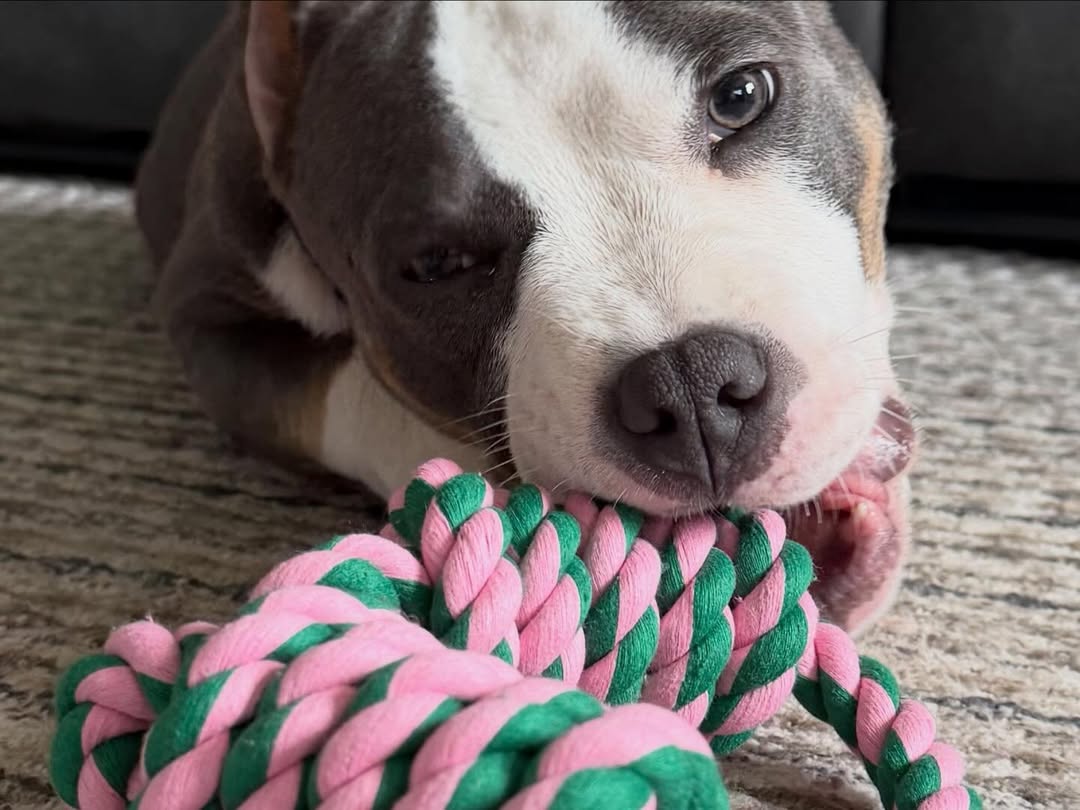
Every dog plays differently. Learn the most common canine play styles, what they reveal about your dog's instincts, and how to choose toys that match the way they naturally play.
Introduction
Play isn't random; it's instinctive. Whether your dog loves chasing a ball, chewing for hours, shaking toys like prey, or carrying a favorite plush everywhere they go, those behaviors are rooted in their natural instincts and personality.
Breed, age, environment, and individual temperament all influence how dogs play. Most dogs don't fit neatly into a single category, either. Instead, they usually have two or three favorite play styles that change throughout the day and evolve over time.
Understanding how your dog naturally likes to play can help you choose toys that provide better enrichment, last longer, and keep them mentally and physically engaged. Rather than buying toys based on appearance alone, you can build a collection that supports the activities your dog enjoys most.
What's Your Dog's Play Style?
Not sure where your dog fits? Chances are you'll recognize one (or several) of these behaviors.
| If your dog... | Their primary play style may be... |
|---|---|
| Destroys toys in minutes | Power Chewer |
| Brings you toys all day | Fetch Fanatic |
| Shakes toys like prey | The Shaker |
| Carries one favorite toy everywhere | Comfort Carrier |
| Only wants to play with you | Social Butterfly |
| Spends long periods happily chewing alone | Independent Player |
| Loses interest in toys quickly | Needs Variety |
Most dogs display more than one play style, which is why rotating different types of toys often keeps playtime more exciting than relying on a single favorite.
Why Understanding Your Dog's Play Style Matters
Every dog has instincts that influence how they interact with the world. Some are driven to chase moving objects, while others instinctively chew, tug, search, or carry items around.
When you provide toys that satisfy those natural behaviors, play becomes more rewarding and engaging (and often less destructive!).
Understanding your dog's play style can help:
- Provide more meaningful mental enrichment.
- Reduce boredom that may lead to destructive chewing.
- Match toys to the activities your dog enjoys most.
- Help toys last longer by using them as intended.
- Encourage healthy physical exercise.
- Strengthen the bond between you and your dog through interactive play.
Instead of asking, "What's the best toy?" a better question is, "What's the best toy for the way my dog likes to play?"
What Influences a Dog's Play Style?
Every dog is unique, but play styles don't develop by chance. Genetics, life stage, personality, and environment all shape the games dogs enjoy most.
Breed Genetics
Many favorite games can be traced back to the jobs dogs were originally bred to perform.
- Retrievers naturally enjoy chasing and bringing objects back.
- Terriers often love grabbing, shaking, and "dispatching" toys with energetic movements.
- Herding breeds are drawn to chasing moving objects and interactive games.
- Scent hounds enjoy searching, sniffing, and food-based enrichment.
- Guardian and working breeds often have strong chewing instincts and enjoy independent play.
While every dog is an individual, breed tendencies often explain why certain toys become instant favorites.
Age
A dog's favorite activities often change throughout life.
- Puppies are curious, energetic, and frequently switch between chewing, chasing, and exploring.
- Adult dogs usually settle into a few preferred play styles while still enjoying a variety of activities.
- Senior dogs may prefer gentler games, shorter play sessions, and softer toys that are easier on aging joints and teeth.
Personality
Two Labrador Retrievers can have completely different favorite toys because personality matters just as much as breed. Some dogs are:
- Confident and adventurous.
- Independent and content entertaining themselves.
- Highly social and happiest playing with people.
- Food-motivated and eager for enrichment toys.
- High-energy athletes that crave movement.
- Calm companions that enjoy quieter forms of play.
Recognizing your dog's personality helps you choose toys they'll actually use.
Environment
Your dog's surroundings also influence how they play.
Dogs living in apartments may benefit from enrichment toys and indoor-friendly games, while those with fenced yards often have more opportunities for fetch and chasing. Multi-dog households may encourage tug and social play, while families with children often gravitate toward interactive games everyone can enjoy.
The best toy collection takes all of these factors into account, not just your dog's chewing strength.
The Most Common Dog Play Styles
Most dogs enjoy more than one type of play, but they often have one or two styles they naturally gravitate toward. Understanding these instincts can help you choose toys that keep your dog happier, more engaged, and less likely to destroy things out of boredom.

The Power Chewer
Some dogs don't just play with toys, they put them to work. Power chewers spend long periods gnawing, grinding, and working their jaws, often choosing chewing over games like fetch or tug. This behavior is completely natural and helps satisfy instinctive chewing needs while providing mental stimulation and stress relief.
These dogs typically prefer durable toys they can enjoy independently for extended periods.
You might have a Power Chewer if your dog:
- Spends 20–30 minutes happily chewing one toy
- Immediately tests every new toy with their back teeth
- Destroys softer toys quickly
- Chews furniture or household items when bored
Common examples: American Pit Bull Terriers, American Staffordshire Terriers, Boxers, Rottweilers, Mastiffs, and many bully breeds often have strong chewing instincts, though any dog can be a power chewer.
Best toy types:
- Long-lasting chew toys
- Durable enrichment toys
- Solo-play toys
Best BULLYMAKE materials:

The Fetch Fanatic
If your dog is constantly dropping a toy at your feet, they're probably a fetch fanatic. These dogs thrive on chasing, retrieving, and running, often repeating the same game over and over without getting bored.
Fetch satisfies natural chasing instincts while providing excellent physical exercise and an opportunity to interact with their favorite person.
You might have a Fetch Fanatic if your dog:
- Constantly brings you toys
- Loves chasing balls or flying discs
- Waits excitedly for you to throw something
- Rarely gets tired of playing fetch
Common examples: Labrador Retrievers, Golden Retrievers, Flat-Coated Retrievers, Chesapeake Bay Retrievers, and many sporting breeds naturally enjoy retrieving games.
Best toy types:
- Bounce toys
- Retrieve toys
- Outdoor play toys
Best BULLYMAKE materials:
- Rubber
- Ballistic Fabric

The Tug Champion
Some dogs believe every toy is an invitation to tug. These dogs enjoy resistance, interaction, and the challenge of pulling against another person or dog.
Tug is more than just a game; it builds confidence, burns energy, and strengthens the bond between dogs and their owners when played appropriately.
You might have a Tug Champion if your dog:
- Grabs one end of every toy
- Loves playing tug with people or other dogs
- Pulls enthusiastically without losing interest
- Gets excited when you reach for a rope toy
Common examples: Boxers, American Staffordshire Terriers, Australian Shepherds, Belgian Malinois, and many working and herding breeds often enjoy tug-style games.
Best toy types:
- Tug toys
- Interactive toys
- Durable pull toys
Best BULLYMAKE materials:
- Rope
- Ballistic Fabric

The Problem Solver
For some dogs, the reward is just as exciting as the game. Problem solvers enjoy figuring out how to earn treats, licking frozen snacks, or manipulating toys to access hidden rewards.
These mentally stimulating activities help satisfy natural foraging instincts and can keep food-motivated dogs entertained much longer than a standard chew toy alone.
You might have a Problem Solver if your dog:
- Loves treat-dispensing toys
- Works patiently to get rewards
- Enjoys licking frozen enrichment toys
- Quickly learns how puzzle toys work
Common examples: Border Collies, Poodles, Australian Shepherds, German Shepherds, and other highly intelligent breeds often enjoy puzzle-based enrichment.
Best toy types:
- Treat-dispensing toys
- Frozen enrichment toys
- Puzzle toys
Best BULLYMAKE materials:
- Rubber
- Nylon

The Shaker
One of the most overlooked play styles is the "shaker." These dogs grab a toy and whip it side to side with surprising intensity, a behavior rooted in their natural prey instincts.
Shaking allows dogs to express instinctive hunting behaviors in a safe, appropriate way. Dogs that love to shake toys often enjoy tossing them into the air, grabbing them again, and repeating the process before settling down.
You might have a Shaker if your dog:
- Whips toys side to side
- Tosses toys into the air before grabbing them again
- Runs around proudly shaking a favorite toy
- Loves toys they can easily grip and fling
Common examples: Jack Russell Terriers, Rat Terriers, West Highland White Terriers, and other terrier breeds frequently display vigorous shaking behaviors because of their historical hunting instincts.
Best toy types:
- Toss-and-shake toys
- Tug toys
- Soft toys for supervised play
Best BULLYMAKE materials:
- Ballistic Fabric
- Rope
- Plush (for gentle or supervised play)

The Comfort Carrier
Not every dog wants to destroy their toys. Some develop a special attachment to a favorite plush and proudly carry it from room to room, sleep with it, or gently squeak it throughout the day.
Comfort carriers often prefer soft textures over rugged durability and enjoy toys that provide companionship as much as entertainment.
You might have a Comfort Carrier if your dog:
- Carries one favorite toy everywhere
- Sleeps with a toy
- Gently squeaks or mouths plush toys
- Rarely tears toys apart
Common examples: Cavalier King Charles Spaniels, Shih Tzus, Maltese, and many companion breeds often enjoy carrying or cuddling soft toys, though plenty of larger dogs do too.
Best toy types:
- Plush toys
- Squeaky toys
- Comfort toys
Best BULLYMAKE materials:
- Plush
- Ballistic Fabric

The Independent Player
Independent players don't always need a playmate to stay entertained. They're perfectly happy settling down with a favorite chew toy and entertaining themselves for long stretches of time.
These dogs often enjoy activities that let them chew, investigate, and work at their own pace, making solo enrichment especially important when owners are busy.
You might have an Independent Player if your dog:
- Regularly entertains themselves
- Prefers chewing over interactive games
- Settles down with one toy for long periods
- Doesn't always need your participation to have fun
Common examples: Akitas, Chow Chows, Great Pyrenees, and other independent breeds are often comfortable entertaining themselves, though personality plays a major role.
Best toy types:
- Durable chew toys
- Treat-stuffing toys
- Long-lasting enrichment toys
Best BULLYMAKE materials:
- Nylon
- Rubber

The Social Butterfly
For social butterflies, the toy isn't the main attraction: you are. These dogs thrive on games they can share with their favorite people, whether that's fetch, tug, or simply chasing each other around the yard.
Interactive play provides both physical exercise and valuable bonding time, making these dogs happiest when someone joins in the fun.
You might have a Social Butterfly if your dog:
- Only wants to play when you're involved
- Brings toys to family members throughout the day
- Gets excited whenever someone joins the game
- Loses interest in toys when left alone
Common examples: Labrador Retrievers, Golden Retrievers, Boxers, Vizslas, and many sporting breeds thrive on interactive games with their families.
Best toy types:
- Tug toys
- Fetch toys
- Interactive toys
Best BULLYMAKE materials:
- Rope
- Ballistic Fabric
- Rubber
Matching Play Styles to Toy Materials
While every dog is unique, certain toy materials naturally complement different play styles. Use this guide as a starting point, then mix and match materials based on your dog's individual preferences and how they like to play.
| Play Style | Best BULLYMAKE Material |
|---|---|
| Power Chewer | Nylon, Rubber |
| Fetch Fanatic | Rubber, Ballistic Fabric |
| Tug Champion | Rope, Ballistic Fabric |
| Problem Solver | Rubber, Nylon |
| The Shaker | Ballistic Fabric, Rope, Plush* |
| Comfort Carrier | Plush, Ballistic Fabric |
| Independent Player | Nylon, Rubber |
| Social Butterfly | Rope, Ballistic Fabric, Rubber |
*Plush toys are best for gentle chewers and supervised play.
Remember, this isn't a rulebook, it's a guide. Most dogs enjoy a combination of play styles, so offering a variety of toy materials creates a more engaging and enriching play experience.
Can Dogs Have More Than One Play Style?
Absolutely! In fact, most dogs don't fit neatly into a single category. Just like people have different hobbies depending on their mood, dogs often enjoy different types of play throughout the day.
For example, your dog might:
- Morning: Burn energy with a game of fetch.
- Afternoon: Settle in with a durable chew toy.
- Evening: Carry a favorite plush toy around the house or cuddle up with it before bed.
Some days your dog may be in the mood for a challenging enrichment toy, while other days they just want a quick game of tug. That's one of the biggest reasons toy rotation works so well. It gives your dog options that match their energy level, instincts, and mood.
Rather than searching for one "perfect" toy, think about building a collection that supports all of your dog's favorite ways to play.
How Play Styles Change Over Time
Your dog's favorite games today may not be the same a year from now. Play styles naturally evolve as dogs grow, mature, and experience changes in their health, confidence, and environment.
- Puppies tend to explore everything. They're often curious chewers, enthusiastic chasers, and eager problem solvers as they learn about the world.
- Adult dogs usually settle into two or three favorite play styles while still enjoying a variety of activities.
- Senior dogs may prefer shorter play sessions, softer toys, and lower-impact games that are easier on aging joints.
Other life changes can also influence how your dog plays. Recovery after surgery, weight changes, seasonal weather, moving to a new home, or simply gaining confidence can all shift their interests over time.
Pay attention to what your dog enjoys today, and don't be afraid to adjust their toy collection as their needs change.
Building the Perfect Toy Collection
A balanced toy collection should give your dog the chance to express all their natural instincts. Ask yourself:
✔️ Does my dog have something durable to chew?
✔️ Something to chase and retrieve?
✔️ Something to tug with me?
✔️ Something that challenges their brain?
✔️ Something soft for quiet time?
If you answered "no" to any of these questions, consider adding a toy that fills that gap. BULLYMAKE customizable dog toy subscription makes it easy! Dogs who can enjoy a variety of play experiences are often more mentally engaged than those with only one type of toy.
Frequently Asked Questions
Why does my dog only want to chew?
Chewing is a natural instinct that helps dogs relieve boredom, reduce stress, exercise their jaws, and satisfy their urge to gnaw. Some dogs, especially power chewers, simply find chewing more rewarding than games like fetch or tug. Providing durable chew toys gives them an appropriate outlet for this behavior.
Why does my dog shake toys so hard?
Shaking is a normal behavior rooted in your dog's prey instincts. Many dogs instinctively whip toys from side to side as a way of mimicking how their wild ancestors subdued prey. This behavior is especially common in terriers and other hunting breeds, but dogs of any breed may enjoy shaking toys.
Why does my dog carry toys around?
Some dogs carry toys because they find them comforting, while others see them as prized possessions or invitations to play. Carrying a favorite toy is completely normal and is especially common in retrievers and companion breeds.
Can dogs have multiple play styles?
Yes! Most dogs enjoy more than one type of play. Your dog might love fetching in the morning, chewing during quiet time, and tugging with you in the evening. Offering a variety of toy types helps satisfy these different instincts.
Does breed affect how dogs play?
Breed can influence play style because many dogs still display behaviors related to the jobs they were originally bred to perform. For example, retrievers often enjoy fetch, terriers frequently love shaking toys, and herding breeds are naturally drawn to chasing movement. However, personality, age, and life experiences are just as important, so every dog is unique.
Why does my dog lose interest in toys?
Dogs can become bored when the same toys are always available. Rotating toys, introducing different play styles, and offering a mix of chew, fetch, tug, enrichment, and comfort toys can help keep playtime exciting.
How do I know what toys my dog likes?
The easiest way is to observe how your dog naturally plays. Do they spend most of their time chewing, chasing, tugging, carrying, or solving food puzzles? Their favorite activities are often the best indicator of which toy types they'll enjoy most.
Should I rotate my dog's toys?
Yes. Rotating toys helps maintain novelty, encourages different forms of mental and physical enrichment, and reduces wear on individual toys. Even putting a favorite toy away for a few days can make it feel exciting again.
Conclusion
Every dog has a unique combination of instincts, personality traits, and life experiences that shape how they interact with toys. Some dogs are happiest chewing for hours, while others would rather chase, tug, solve puzzles, or carry a favorite plush companion from room to room.
By understanding your dog's play style, you can choose toys that work with their natural instincts instead of against them. The result is more engaging playtime, better mental and physical enrichment, less boredom, and more opportunities to strengthen your bond together.
The best toy collection supports the many ways your dog loves to play. With BULLYMAKE, you can customize your subscription with a mix of durable nylon, versatile rubber, interactive ballistic fabric and rope toys, and comforting plush options to build a collection that's as unique as your dog!
Try your first box today!
You might also be interested in...
Wondering whether to get your dog a dog toy subscription or keep buying individual toys? In this blog we make the case for why a dog subscription adds value and convenience over time.
Learn why BULLYMAKE is a great gift idea for dogs!
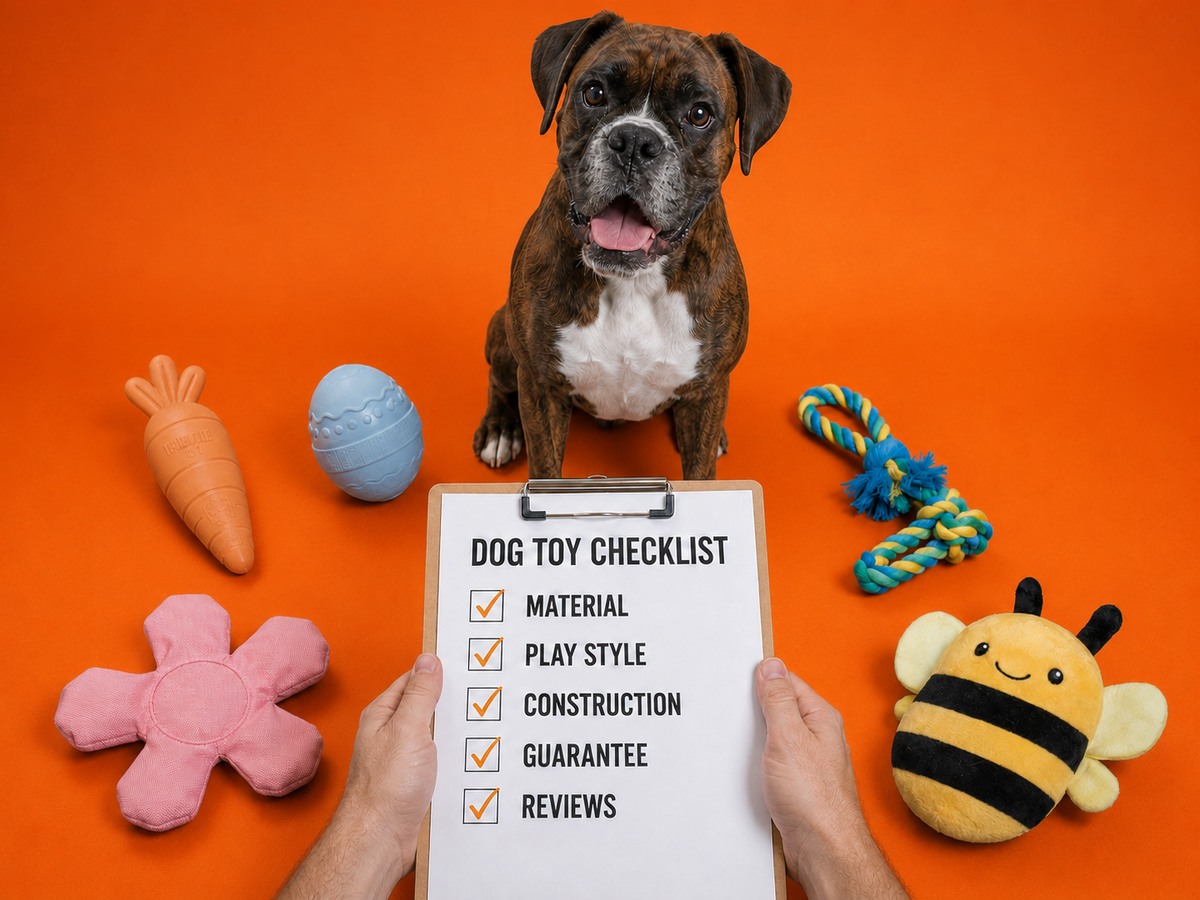
How do you know if a dog toy is truly durable? Follow our checklist to uncover the truth about your dog toy's durability!